
Overview
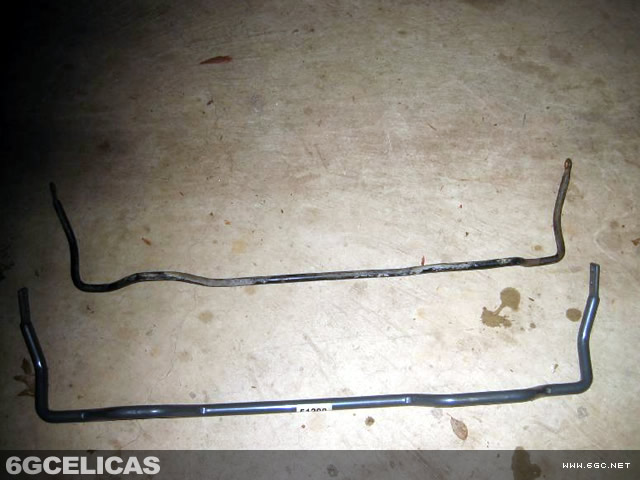
Installing an aftermarket rear sway bar can make a huge difference in handling ability. This comprehensive guide covers the complete installation process, including the critical steps of fuel tank lowering and exhaust management required for rear sway bar access.
🕒 Time Required: 1 hour
💰 Cost: $200-500 (sway bar dependent)
🔧 Tools: Standard hand tools, jack stands, fuel tank support
Required Tools & Materials
Essential Tools
- 14mm wrench
- Ratchet and socket set
- 12mm and 14mm sockets
- 5mm allen wrench
- Wire brush (for cleaning bolts)
Safety & Support Equipment
- Jack and jack stands
- Wood block for fuel tank support
- Penetrating lubricant (PB Blaster)
- Torque wrench
- Work gloves and safety glasses
🚨 Critical Safety - Fuel System Work
- Fuel tank lowering required: This installation involves partially lowering the fuel tank
- No smoking or sparks: Ensure no ignition sources are present in work area
- Proper support essential: Use jack and wood block to support fuel tank weight
- End link delicacy: Allen bolts strip easily - $50+ per side to replace
Step 1: Vehicle Preparation
Break loose the rear wheel lug nuts while the car is on the ground. Jack up the rear of your Celica and secure it with jack stands - you'll be working underneath the vehicle extensively. Remove both rear wheels to access the rear suspension components.
Safety reminder: Ensure the vehicle is stable and well-supported by jack stands before proceeding.
Step 2: End Link Disconnection
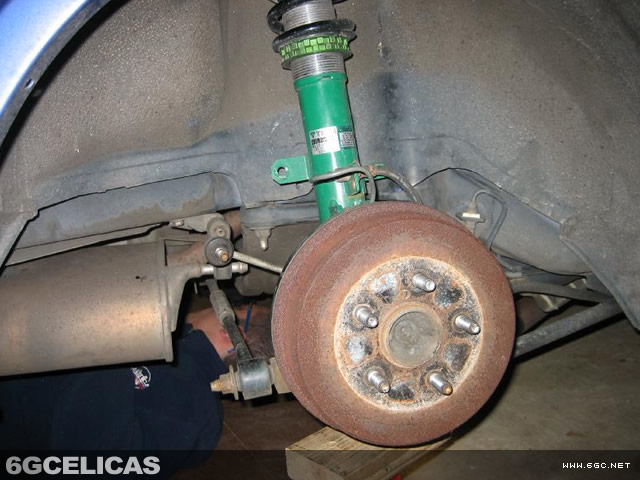
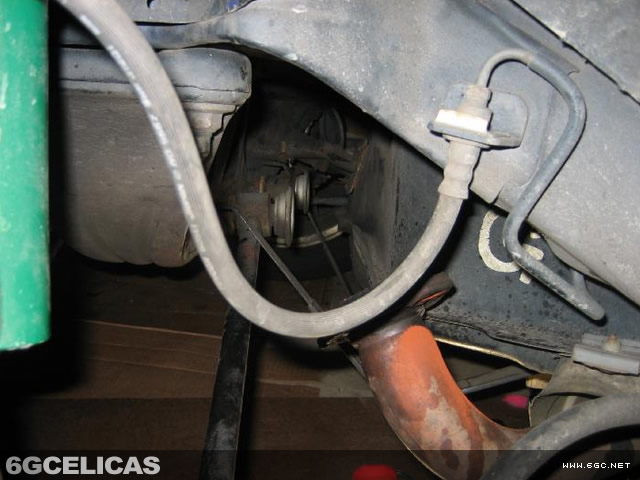
Locate the end links connecting the sway bar to the strut assemblies. You need to remove the lower end link bolt (not the upper one). This is the most problematic part of the installation due to potential for stripping.
Apply penetrating lubricant (PB Blaster recommended) liberally to the end link hardware and allow several minutes for penetration. Use a wire brush to clean debris from the allen head bolt so the 5mm allen wrench can properly engage.
Step 3: Critical End Link Removal Technique
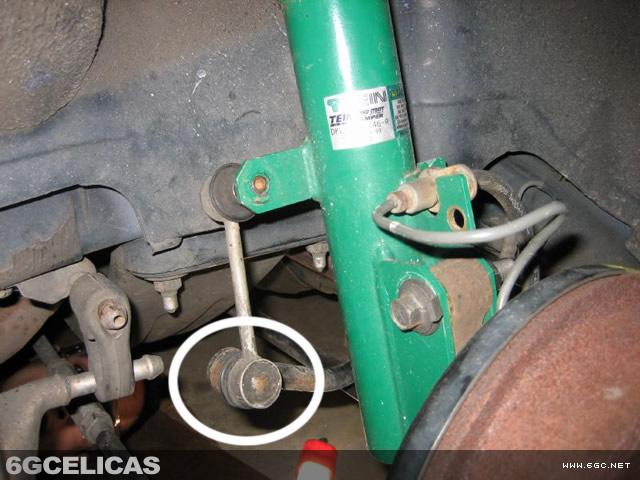
Break loose the 14mm nut with a socket or wrench. Initially, loosen until the inner allen head bolt moves with the nut - at this point, the nut alone won't advance further.
Critical technique: Use a 14mm wrench (closed end, not open end) around the nut while inserting a 5mm allen wrench into the bolt head. Hold the bolt stationary with the allen wrench while turning the 14mm nut with the wrench.
⚠️ Warning: Be extremely gentle - stripping these allen bolts requires cutting off the end links and purchasing new ones at ~$50 per side.
Step 4: Exhaust System Management
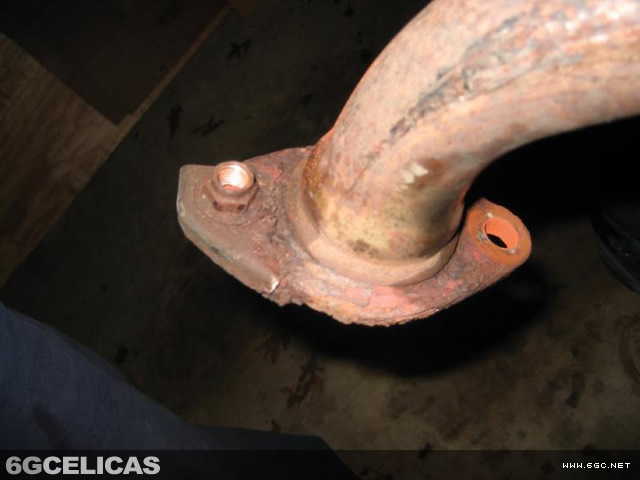
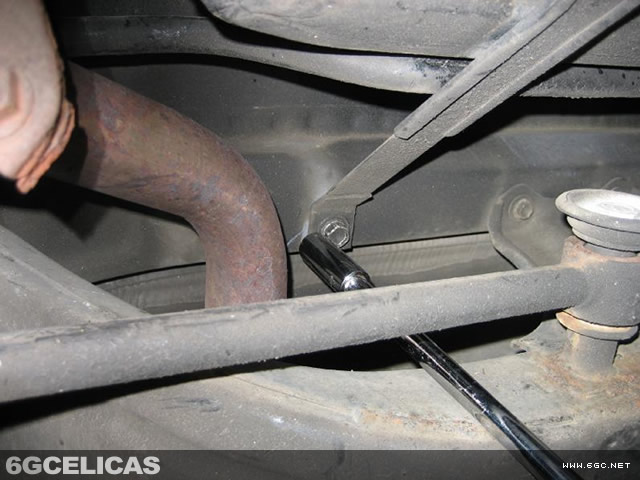
With end links disconnected, you've completed the most difficult part. Now address exhaust clearance - this varies by exhaust system but is necessary for sway bar removal and fuel tank access.
Options:
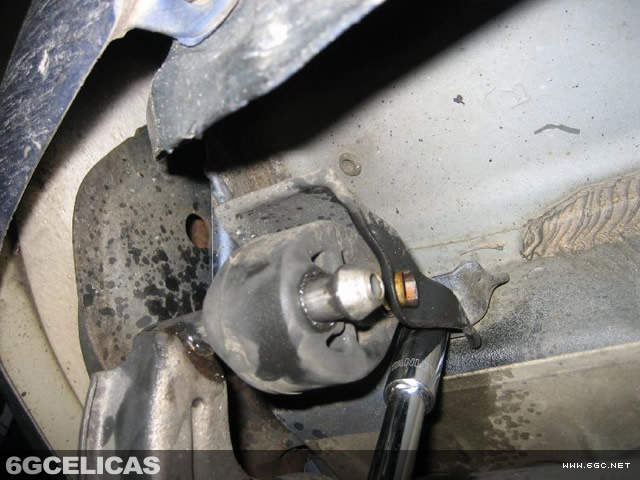
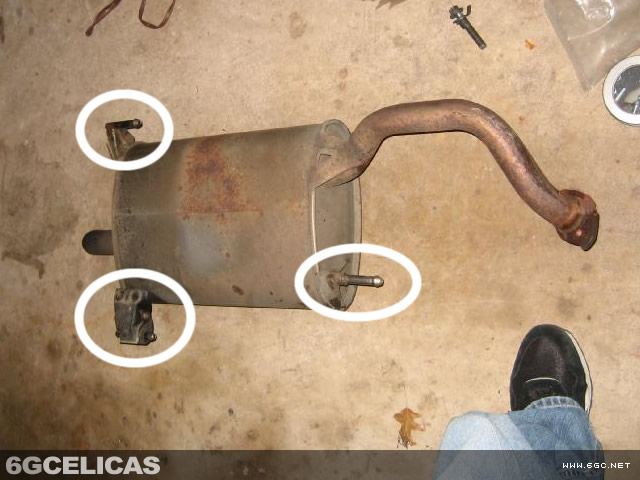
- Complete removal: Unbolt hangers and flange connections
- Partial rotation: Remove two hangers and piping flange, rotate out of way
Apply penetrating lubricant to exhaust bolts as they're typically seized from heat cycling.
Step 5: Fuel Tank Lowering
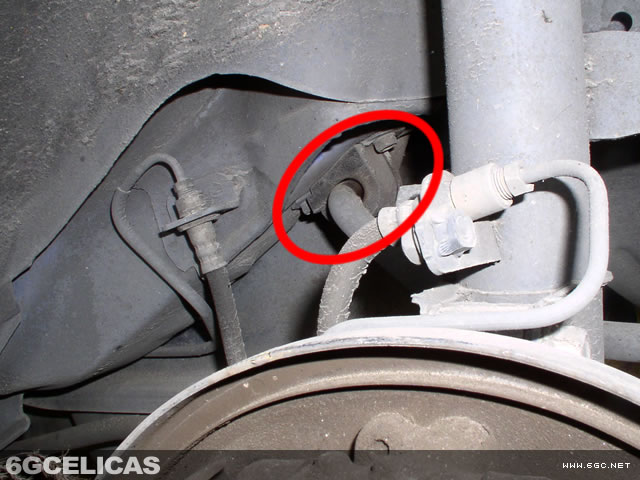
Position a jack with a wood block underneath the fuel tank for support. Locate the two rear-most 14mm bolts securing the fuel tank straps.
Unbolt these two strap bolts and carefully lower the fuel tank approximately 3 inches using the jack. This provides the clearance needed to access the sway bar mounting brackets.
Safety note: Ensure proper support throughout this process - fuel tanks are heavy and awkward to handle.
Step 6: Sway Bar Bracket Removal
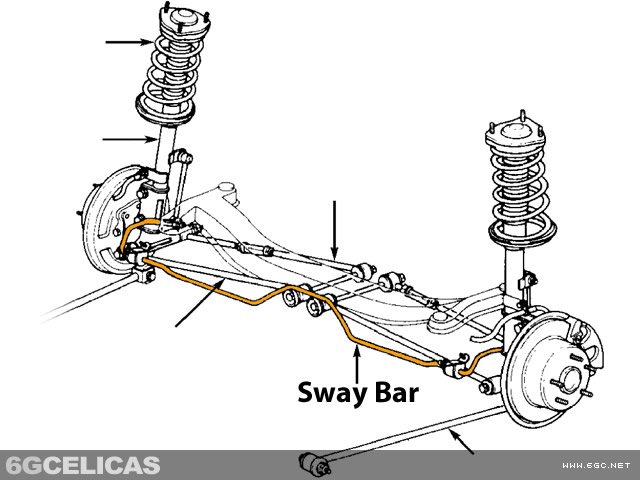
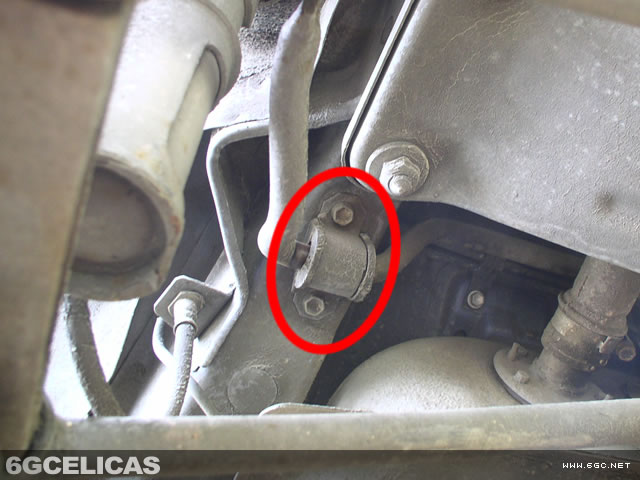
With fuel tank lowered, access the C-shaped brackets holding the sway bar and bushings to the vehicle frame. Each bracket is secured by two 12mm bolts.
Remove all four bolts (two per bracket) and remove the brackets and bushings. The stock sway bar can now be wiggled free and removed from the vehicle.
Step 7: New Sway Bar Installation
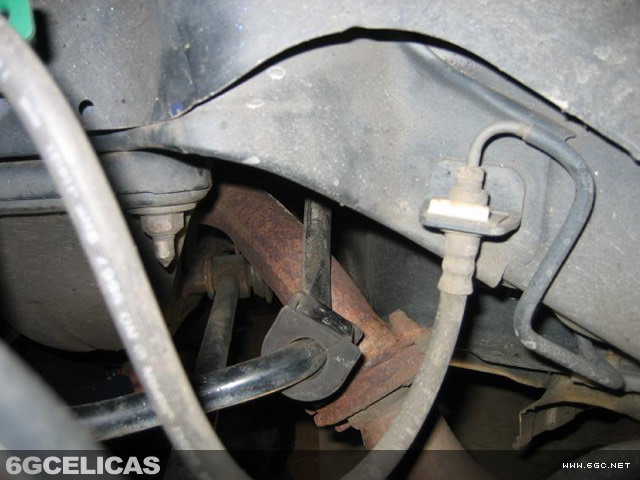
Install your aftermarket sway bar using the reverse process. Apply liberal lubrication to the new bushings that came with your sway bar to prevent noise and ensure proper operation.
Adjustment holes: Most aftermarket bars have multiple mounting points:
- Outer holes: More aggressive setting, increased oversteer
- Inner holes: Milder setting, less oversteer tendency
Step 8: Torque Specifications and Final Assembly
Follow proper torque specifications for reliable installation:
- C-bracket bolts (12mm): 14 ft-lbs (19 N⋅m)
- End link nuts (14mm): 47 ft-lbs (64 N⋅m)
Reinstall the fuel tank by reversing the lowering process, ensuring strap bolts are properly torqued. Reattach the exhaust system using new gaskets if needed. Double-check all connections before final testing.
🎯 Performance Benefits
Handling Improvements
- Reduced rear end sway in corners
- Better transitional balance
- Improved overall stability
- Adjustable oversteer characteristics
Installation Results
- Immediate handling transformation
- Tunable suspension balance
- Professional-grade upgrade
- Compatible with other modifications
📸 Installation Process Gallery
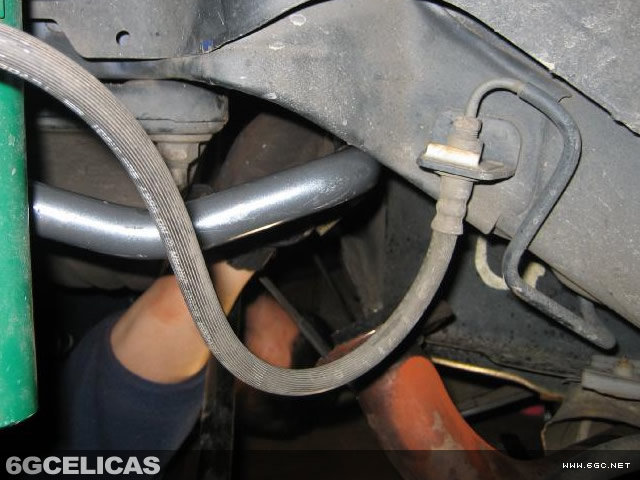
💡 Installation Tips
- End link preservation: Take extreme care with allen bolts - replacement is expensive
- Bushing lubrication: Critical for preventing squeaks and ensuring longevity
- Hole selection: Start with inner holes for milder characteristics, adjust as needed
- Fuel system safety: No smoking or ignition sources during tank work
- Test drive conservatively: Verify installation before aggressive driving