
Overview
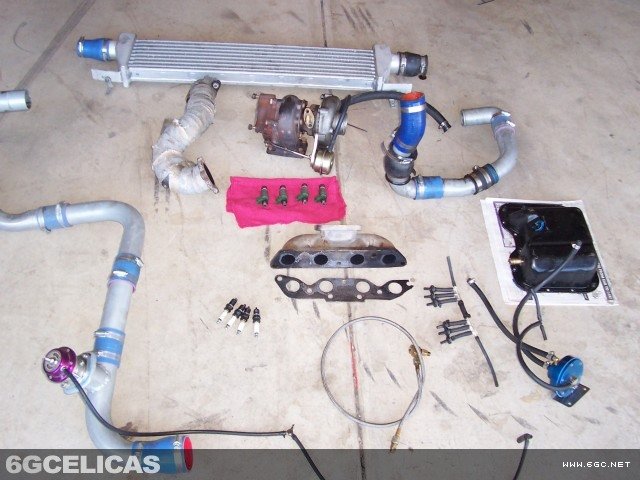
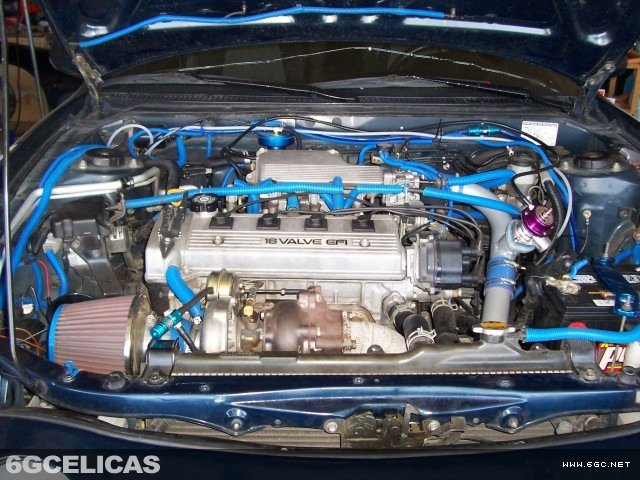
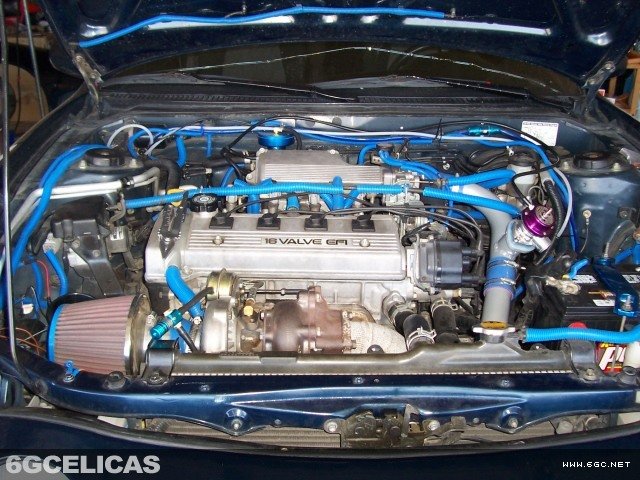
The following is a complete writeup on how to turbocharge your Toyota Celica's 1.8 liter 7A-FE engine, converting it into a turbocharged 7A-FTE. This conversion significantly increases power output while maintaining reliability when done properly.
🕒 Time Required: 2-3 days
💰 Cost Range: $3000-5000
🔧 Final Results: 170whp @ 9.5 psi (doubled stock power)
Phase 1: Fuel System Upgrades
Fuel Pump Installation
Install a Supra Twin Turbo 255lph Walbro fuel pump with a Vortech 12:1 FMU (Fuel Management Unit). First, remove the gas cap to relieve fuel pressure.
Pump Installation Steps:
- Remove the back seat to access the grey access plate
- Remove screws and pull the plate up and to the side
- Place towels around work area for spill protection
- Wear safety glasses - some pressure may remain
- Remove clamps and disconnect both fuel lines (may be stuck, take your time)
- Remove electrical connector and unbolt the lid
- Slowly remove the pump (work with half tank or less)
- Follow pump instructions for reinstallation
FMU Installation
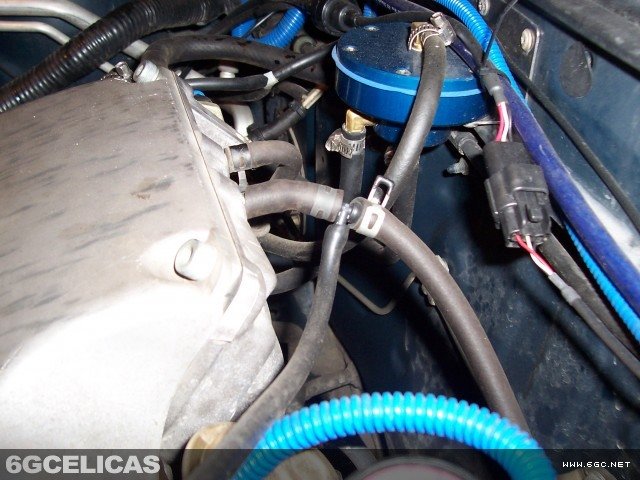
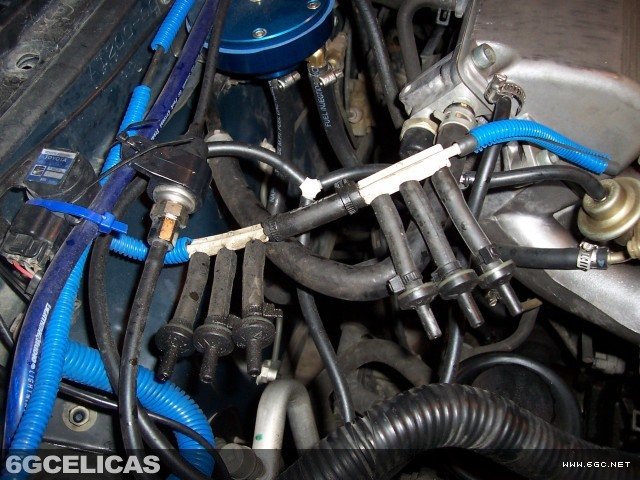
Install the FMU line coming off the fuel rail on the passenger side:
- Remove the existing line from the fuel pressure regulator
- Install new line from FPR to FMU inlet
- Connect FMU outlet to the return line
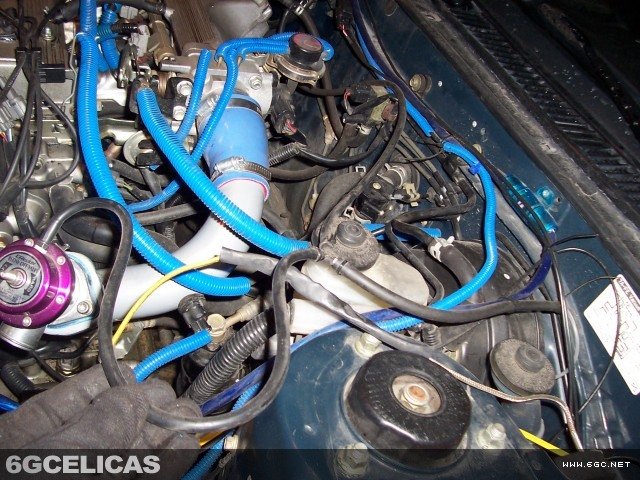
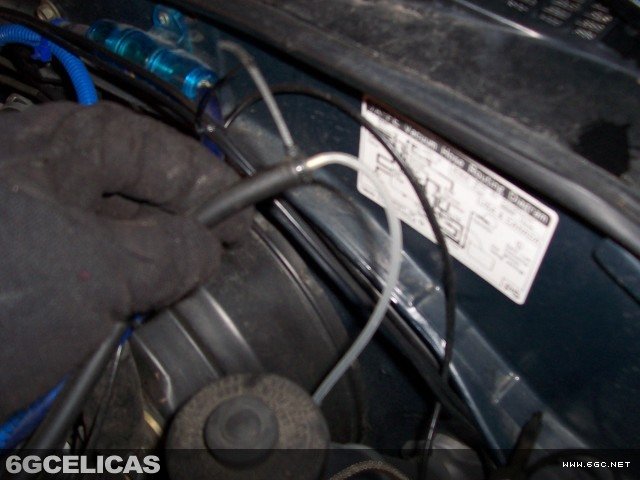
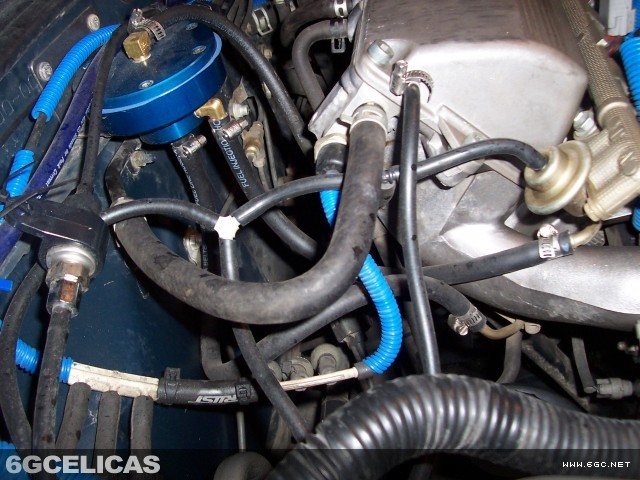
- "T" the small vacuum hose on top of FMU into manifold and BOV
Injector Upgrade: If upgrading injectors, consult your Chilton's manual for step-by-step installation procedures.
Phase 2: Turbo System Installation
Vehicle Preparation
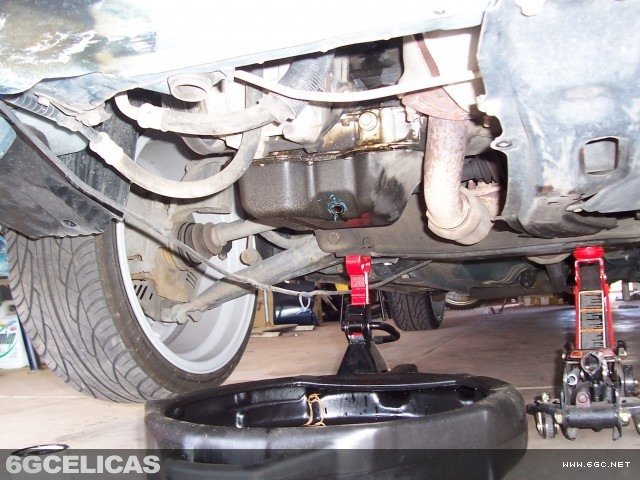
Begin by preparing the workspace and vehicle:
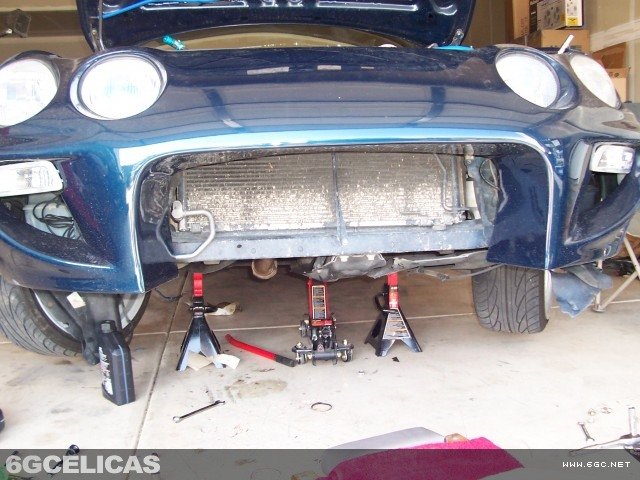
- Jack up vehicle and secure with jack stands
- Disconnect battery
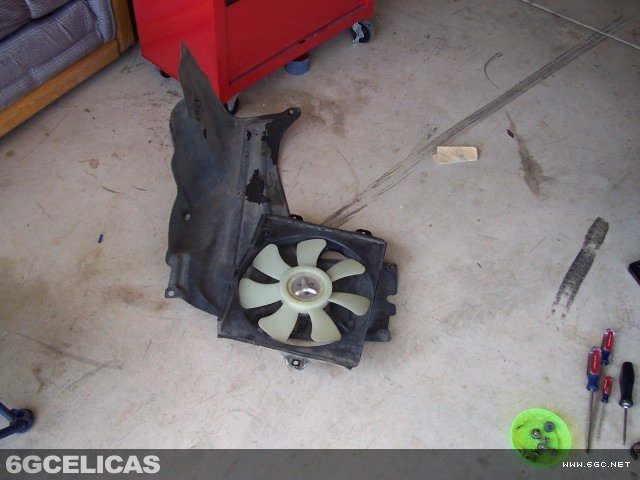
- Remove plastic under-carriage panels
- Remove cooling fan and shroud for better access
Oil Pan Modification
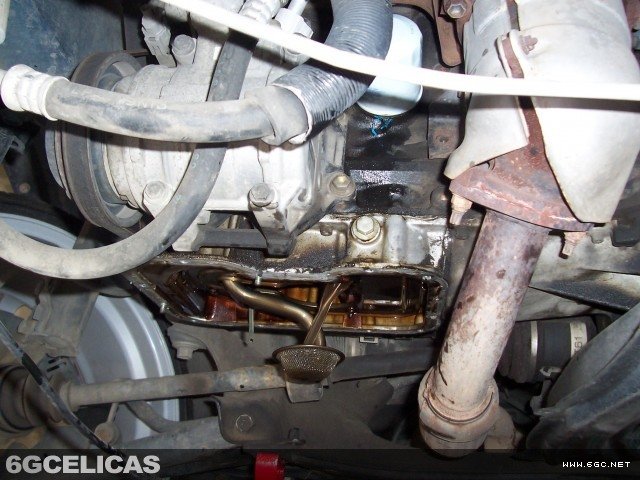
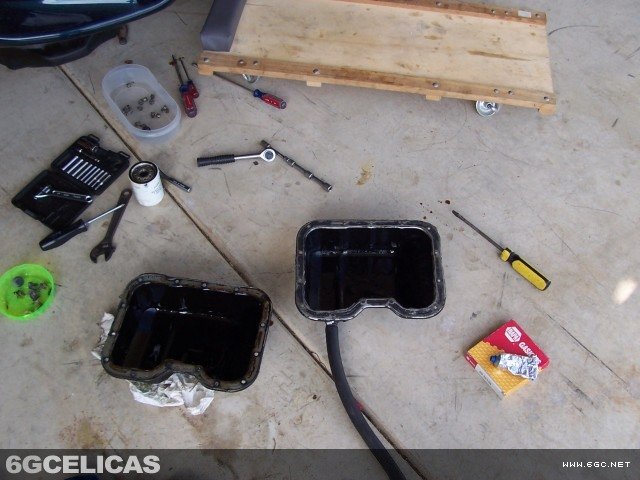
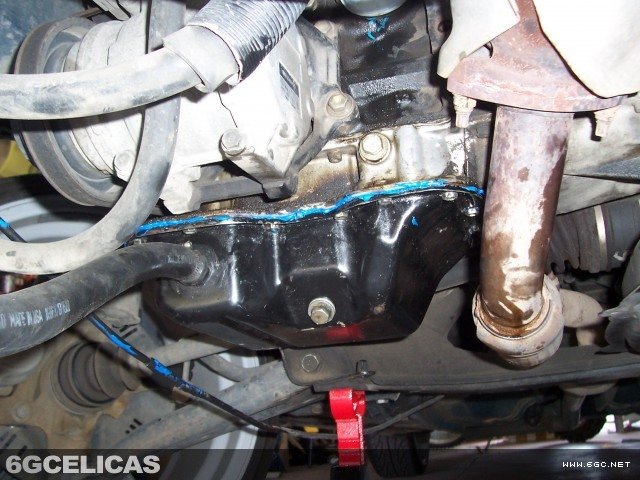
Drain oil and remove oil pan to install the turbo oil return line. Drill the pan for the oil return fitting and seal with appropriate gasket compound. Pro tip: Use a razor blade on the liquid gasket to ease removal.
Phase 3: Oil Feed and Return Lines
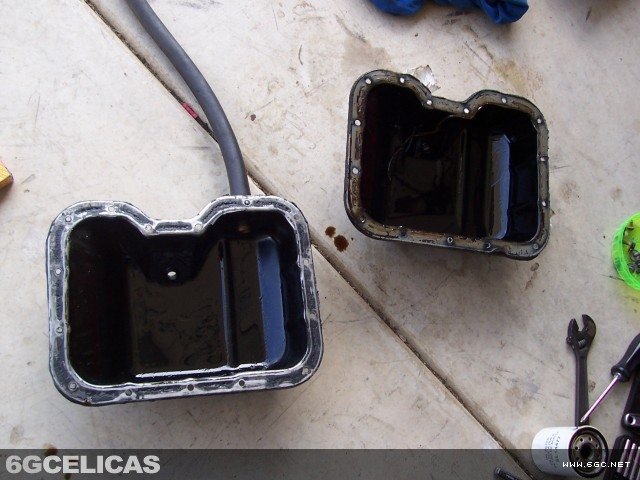
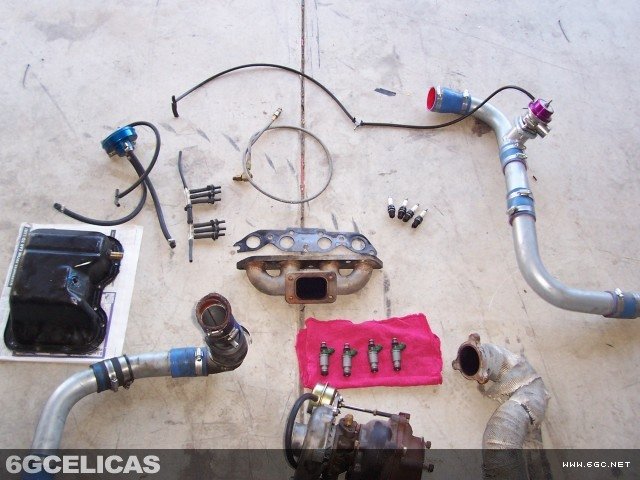
The image shows the comparison between stock pan (right) and modified pan (left) purchased from Zipstrips. The modified pan includes the proper fitting for the oil return line.
Oil Feed Line Installation
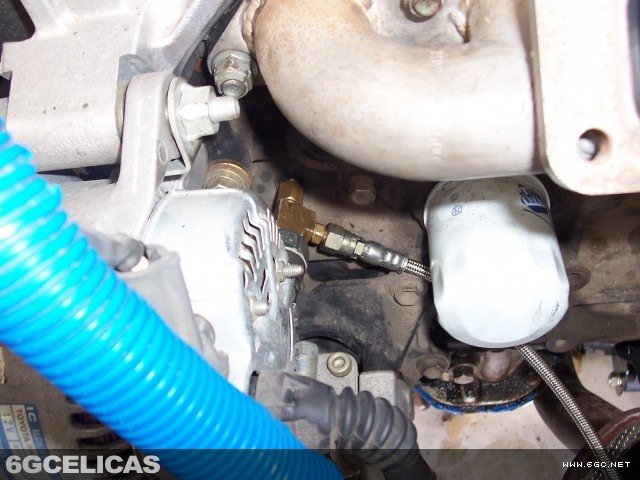
If purchasing from JGSTools, the kit includes everything needed:
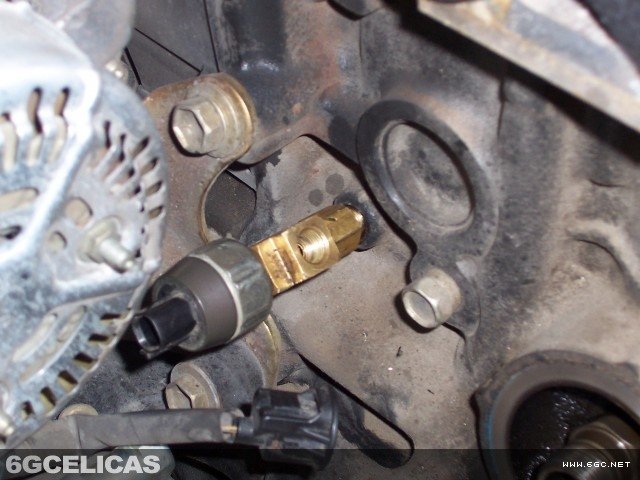
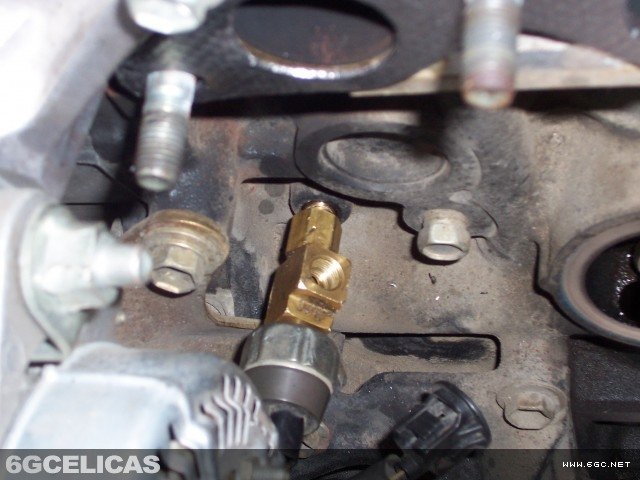
- Unscrew the PCV valve and attach to feed line block
- Ensure tight connection but avoid stripping threads
- Connect feed line to center of feed block
- Route feed line up to turbo location
Phase 4: Manifold and Turbo Installation
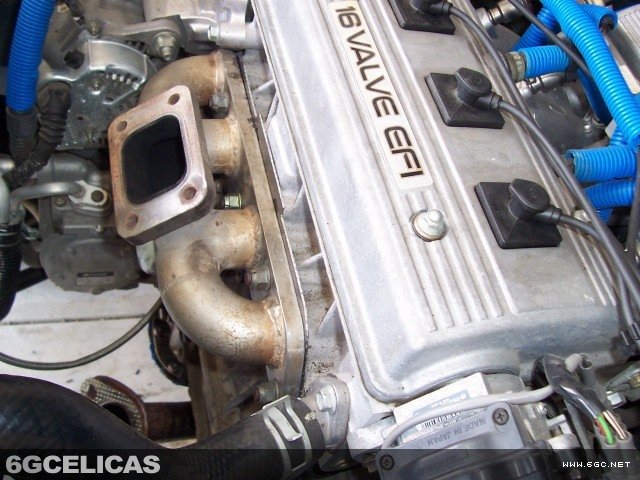
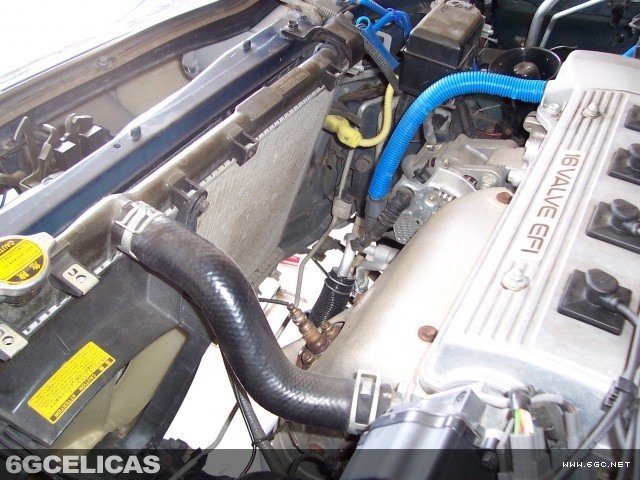
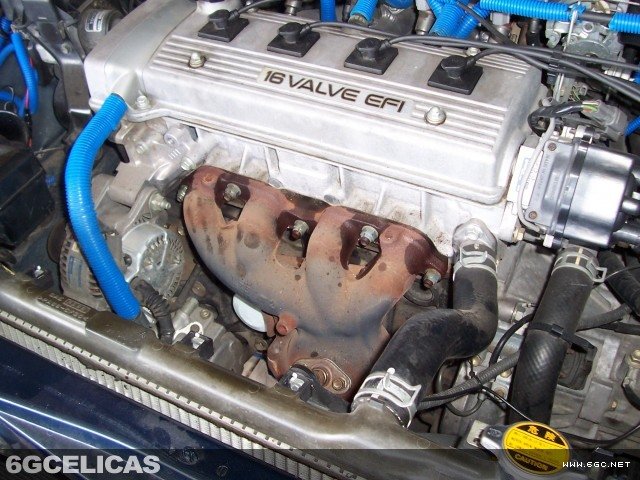
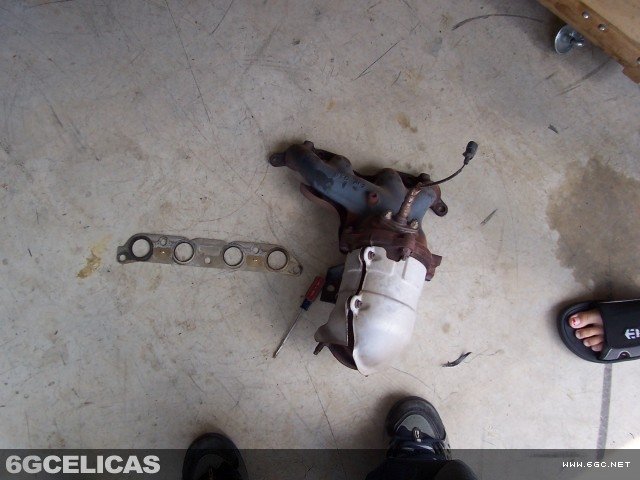
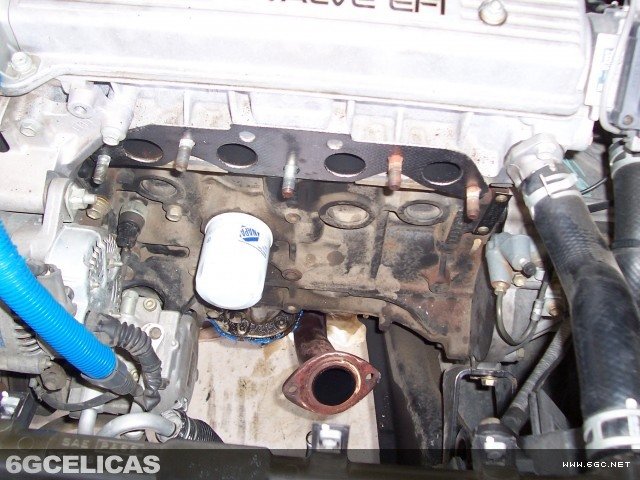
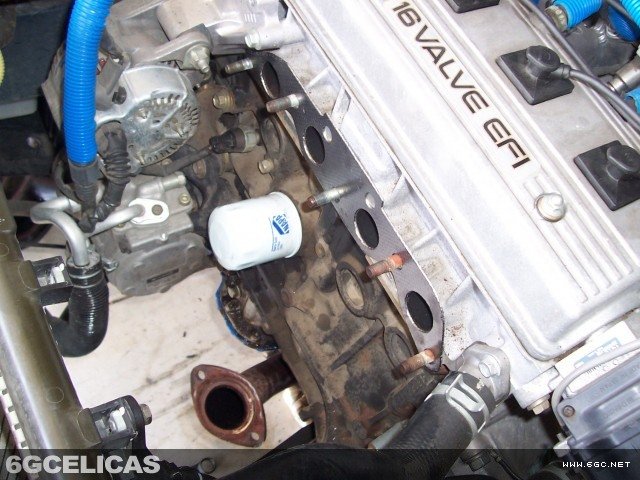
Removing Stock Manifold
Ensure engine is completely cold (let sit overnight). Apply WD-40 to bolts and allow to penetrate before removal:
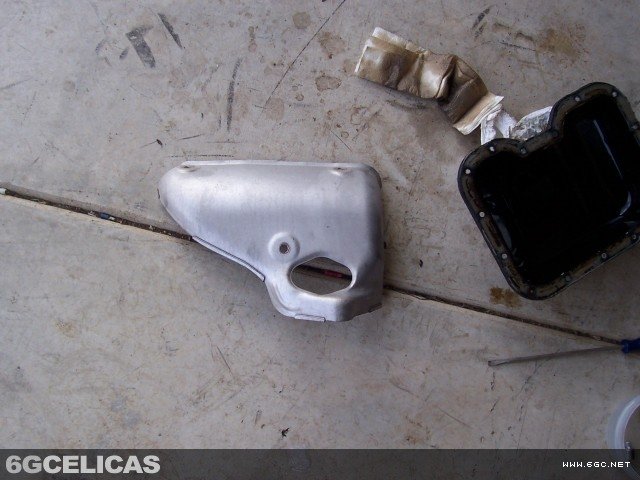
- Remove heat shield
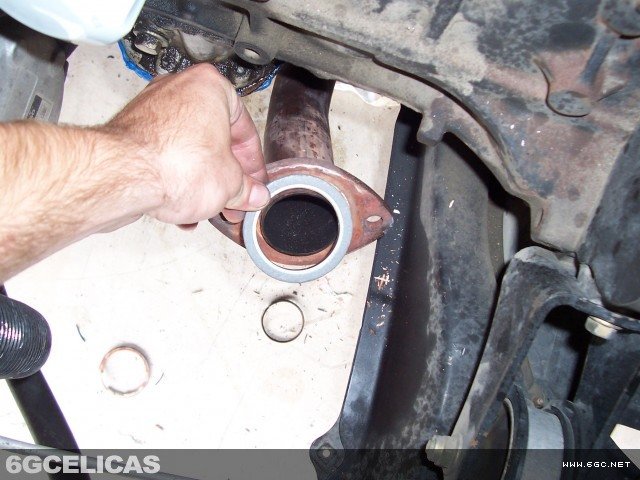
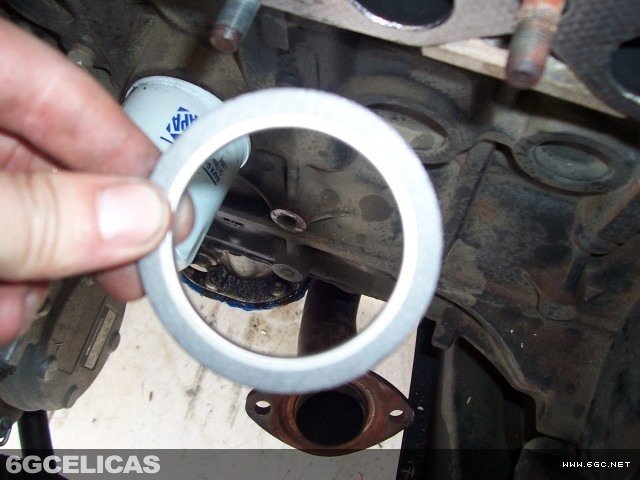
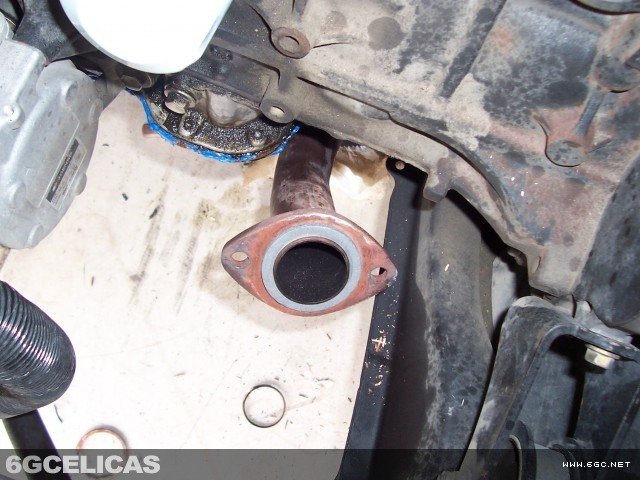
- Remove mid-pipe (2 bolts)
- Remove manifold (4 bolts) - hand removal takes about 1 hour
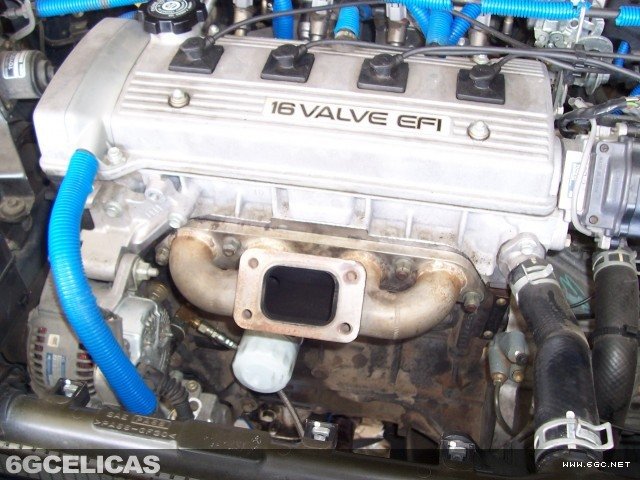
Installing Turbo Manifold
Install new gasket (recommend new over reusing OEM). On passenger side, you may need to grind the manifold slightly to clear the alternator bracket.
Turbo Installation
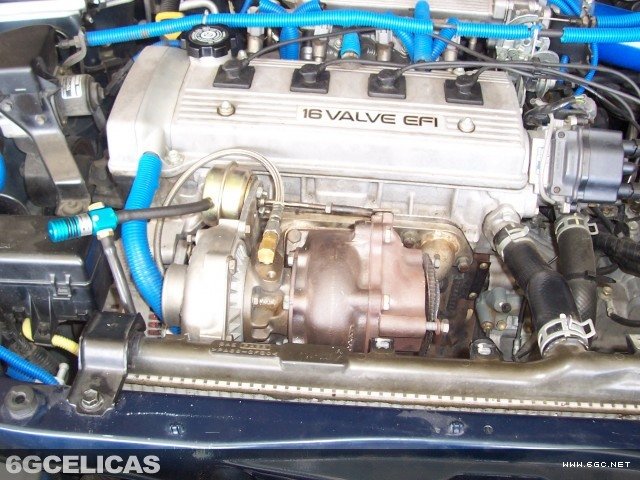
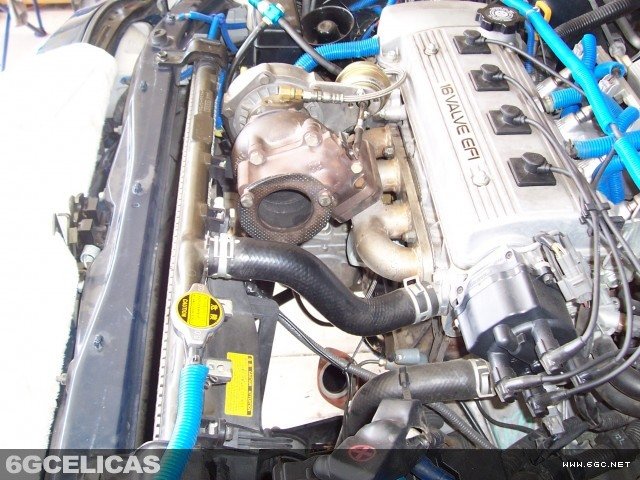
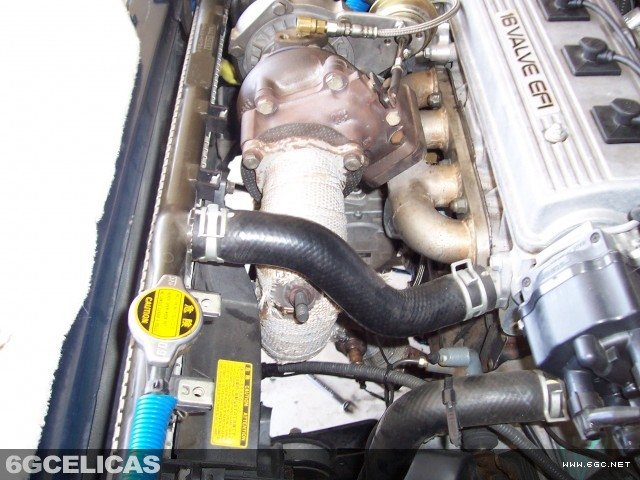
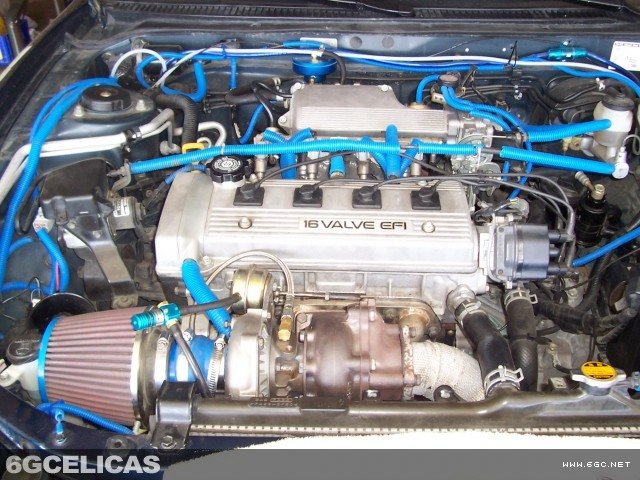
Mount turbo to manifold using 4 bolts (two are difficult to access). Feed all bolts through turbo housing simultaneously and tighten gradually in sequence. Connect boost controller following manufacturer directions. You may need to relocate the front fuse box slightly to clear the air filter.
Phase 5: Exhaust and Intercooler System
Downpipe Installation
Professional exhaust work required. Have shop weld EGT bung and O₂ sensor bung into downpipe. Purchase correct flange for your turbo's exhaust outlet.
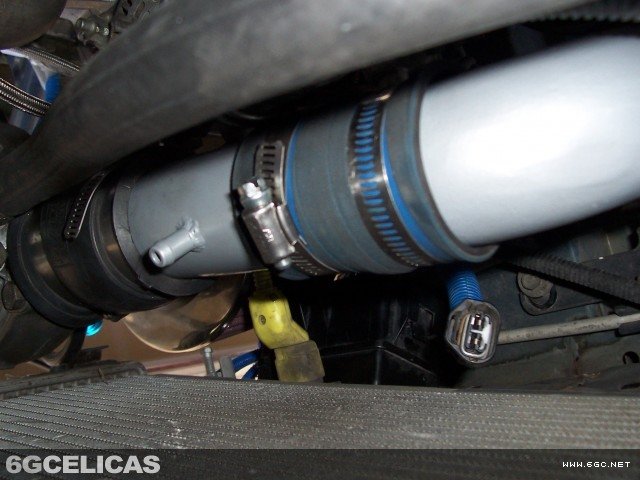
Intercooler Piping and Installation
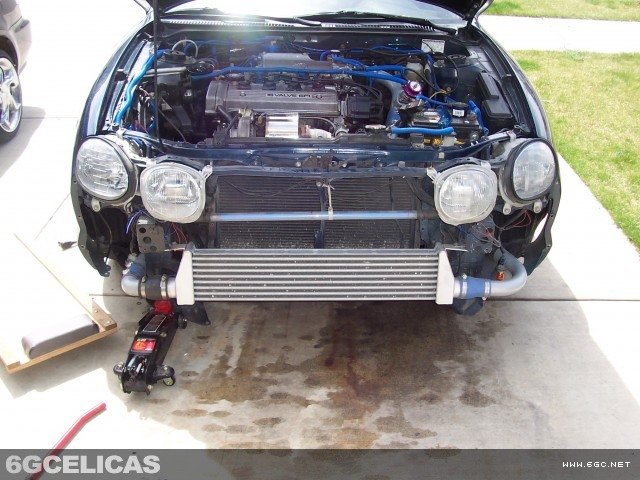
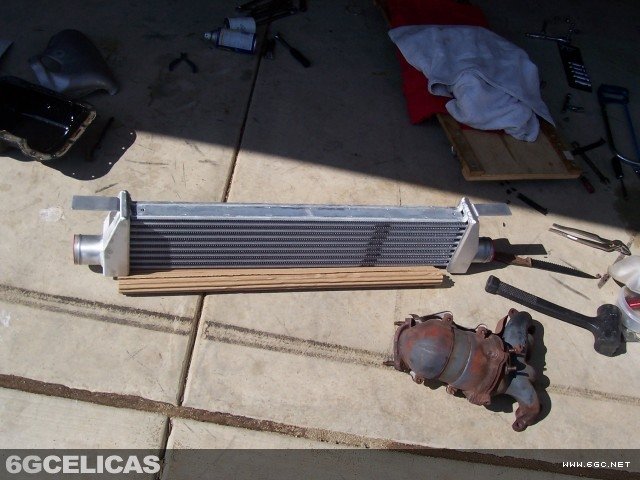
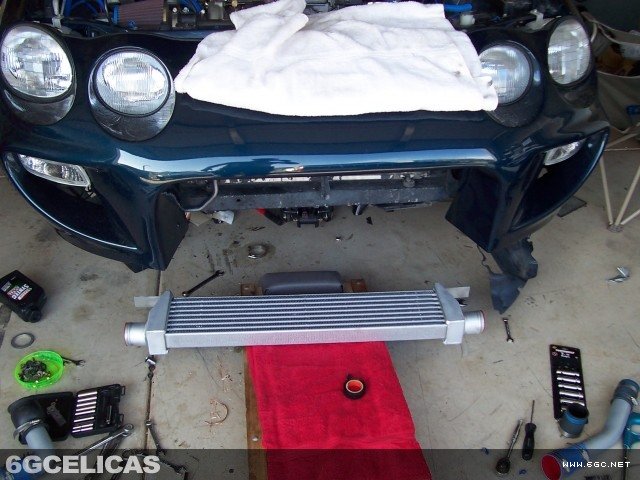
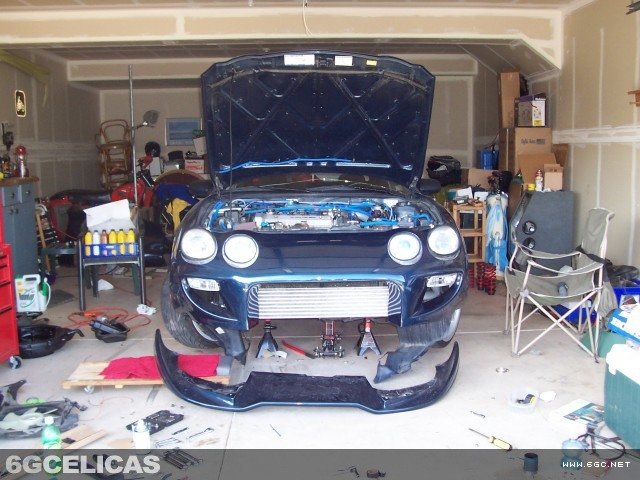
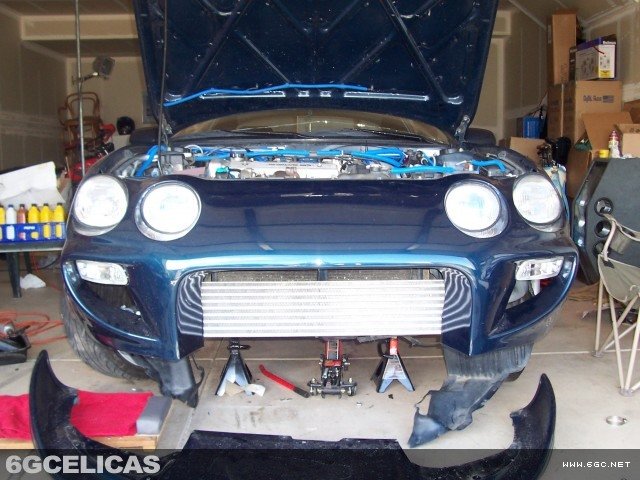
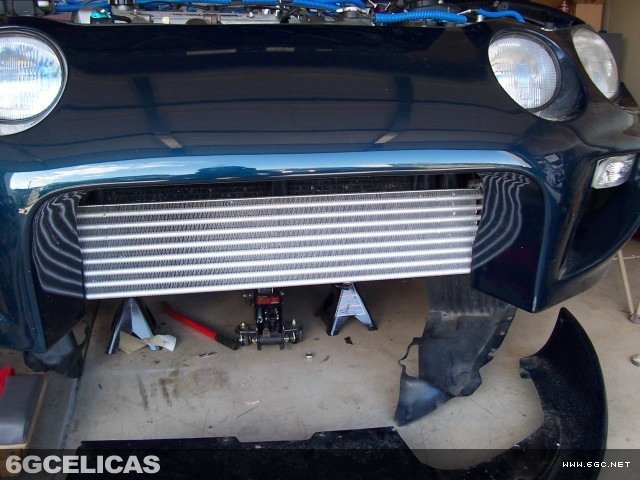
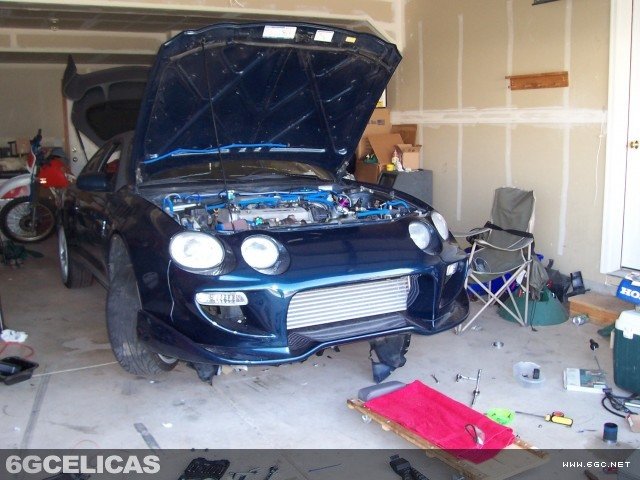
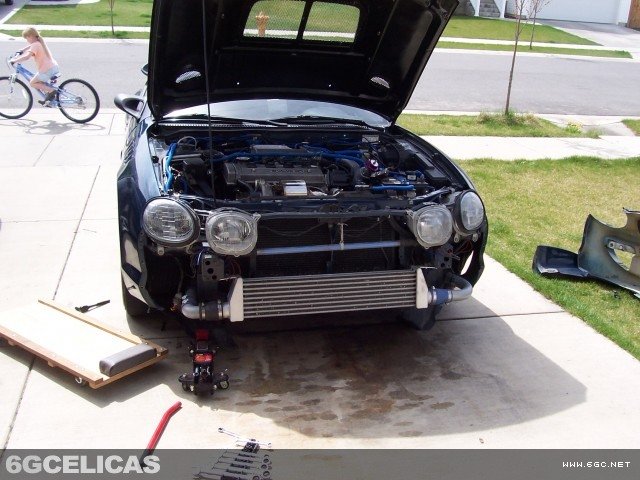
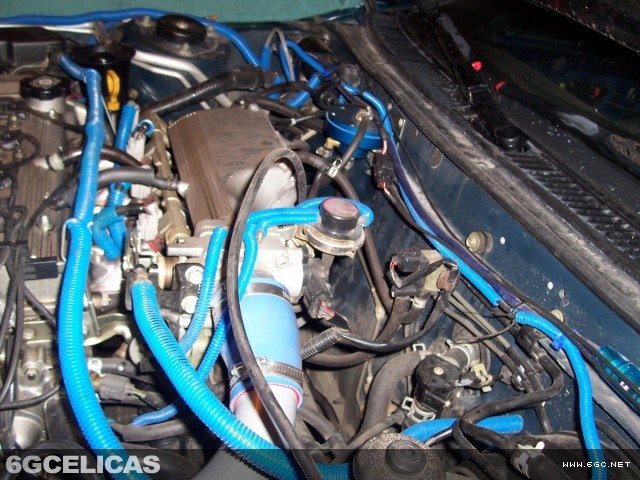
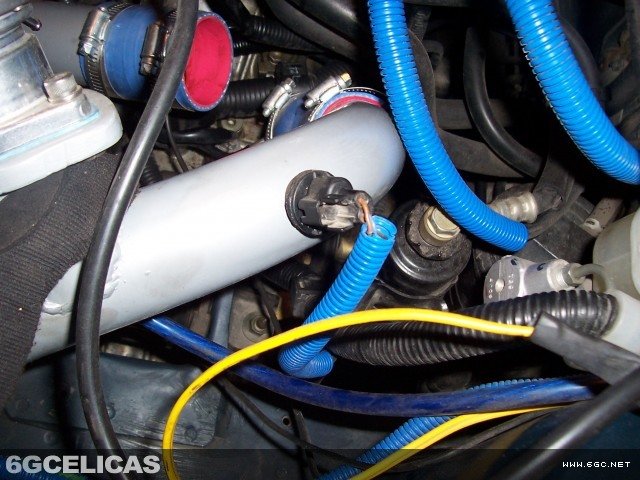
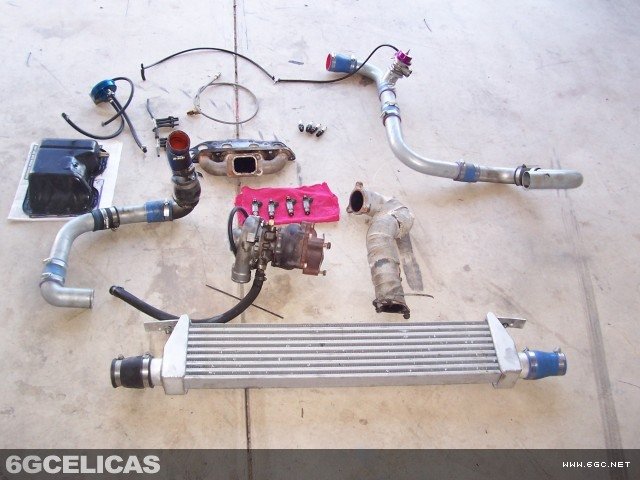
Intercooler selection depends on mounting preference: Front Mount (FMIC), Top Mount (TMIC), or Side Mount (SMIC). This build uses a long FMIC setup.
Piping Specifications:
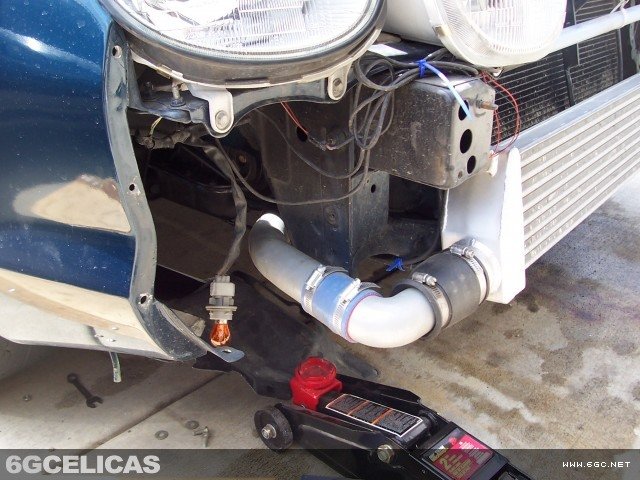
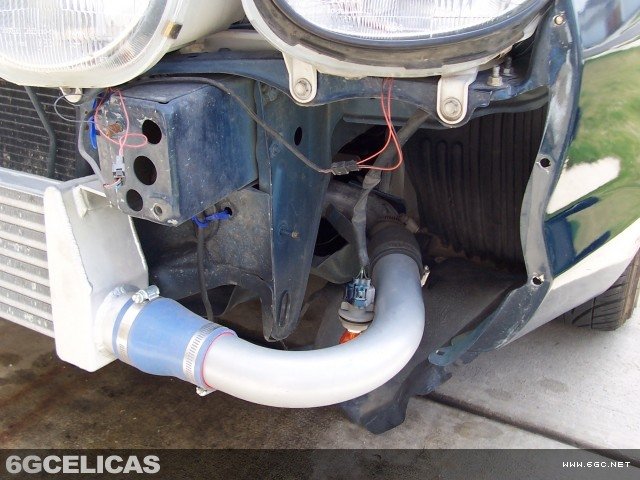
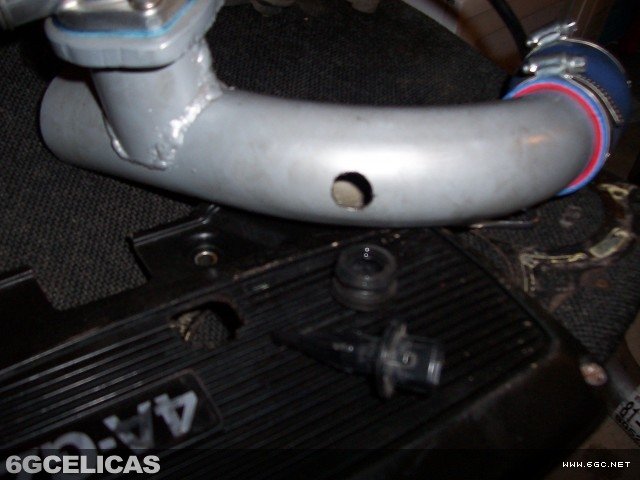
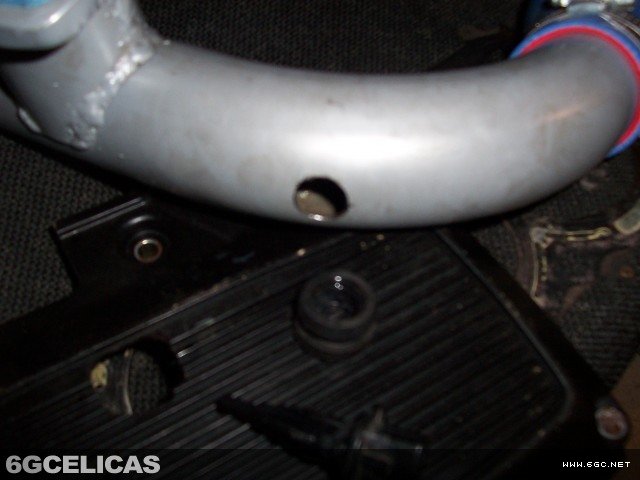
- Used Greddy universal 52mm piping (powder coated Corvette silver)
- Recommended sizes: 2" to 2¼" (2½" only with internal engine modifications)
- Greddy Type S BOV requires welded flange (have exhaust shop install)
FMIC Installation
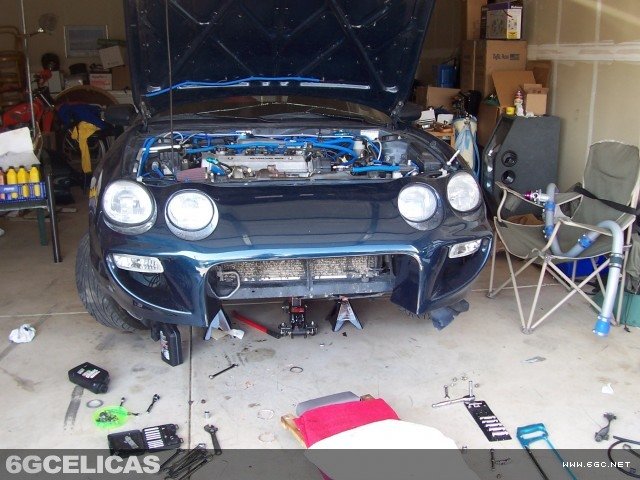
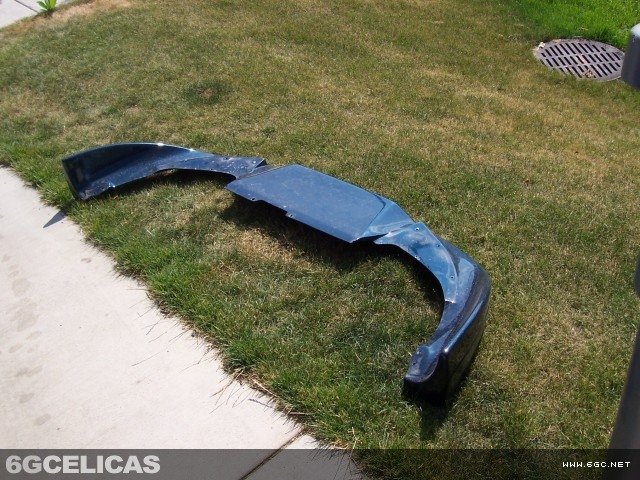
Installation Tip: Remove front bumper completely - attempting installation without removal wastes significant time. Mount intercooler using L-brackets secured to reinforcement bar.
Phase 6: Final Assembly and Testing
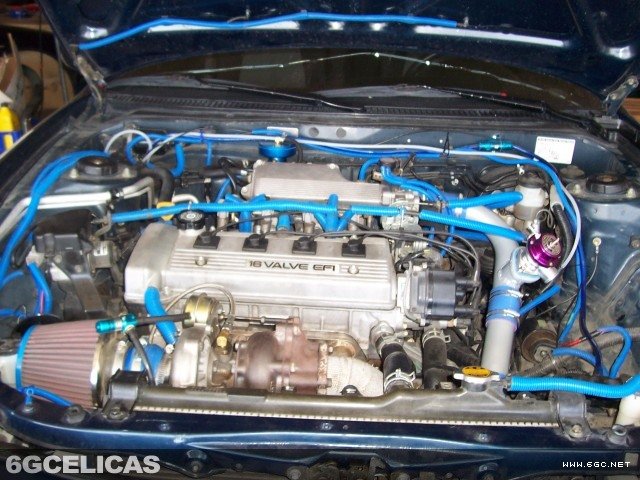
Pre-Start Checklist
Before starting the engine, verify all connections:
- All silicone couplings properly secured
- Manifold and turbo bolts torqued to specification
- Oil feed and return lines properly connected
- FMU and fuel lines secure
- Boost controller vacuum lines connected
Initial Testing
Set initial boost to 4 psi and perform several test runs. Ensure system operates correctly before increasing boost levels.
🏁 Performance Results
@ 9.5 PSI Boost
- 170 WHP
- 180 lb-ft torque
- Excellent reliability
@ 12-14 PSI Boost
- Doubled stock power
- Maxed out stock injectors
- Engine capable of more with upgrades
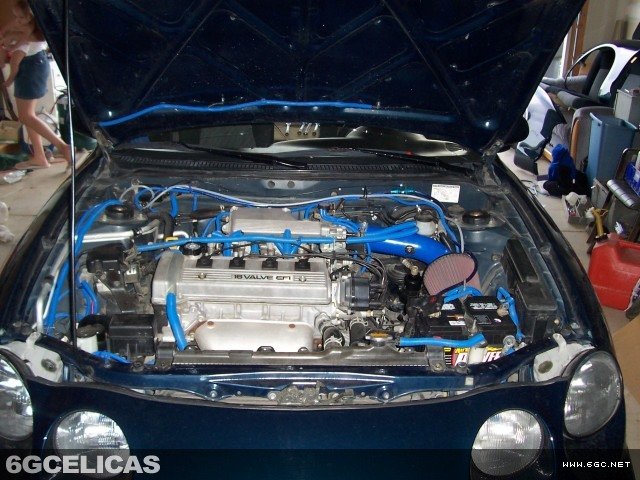
Build Photo Gallery
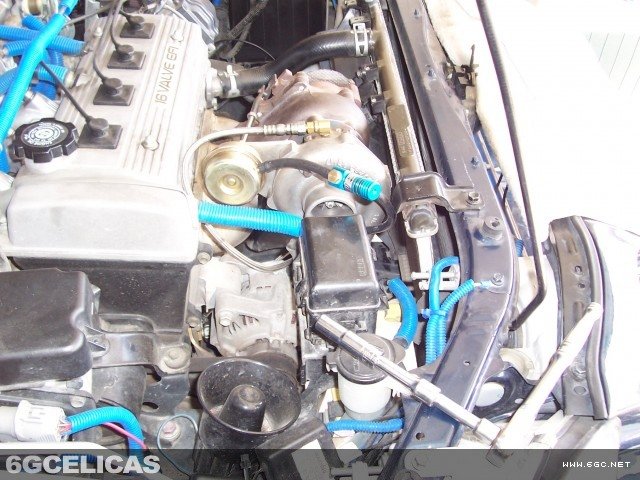
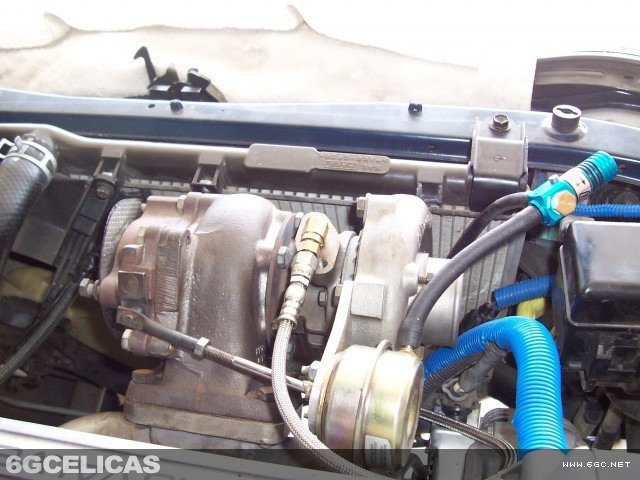
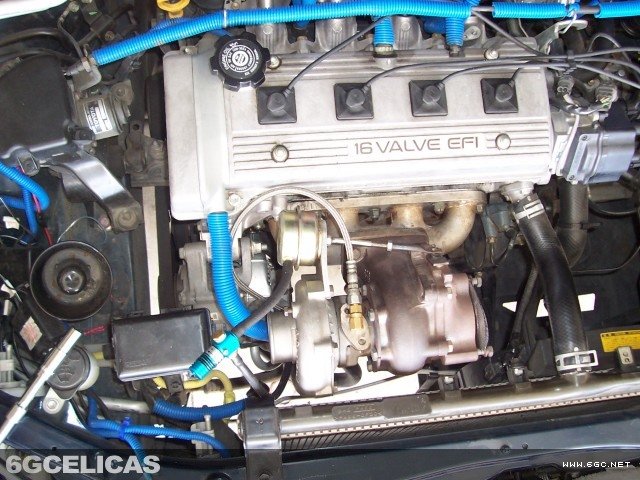
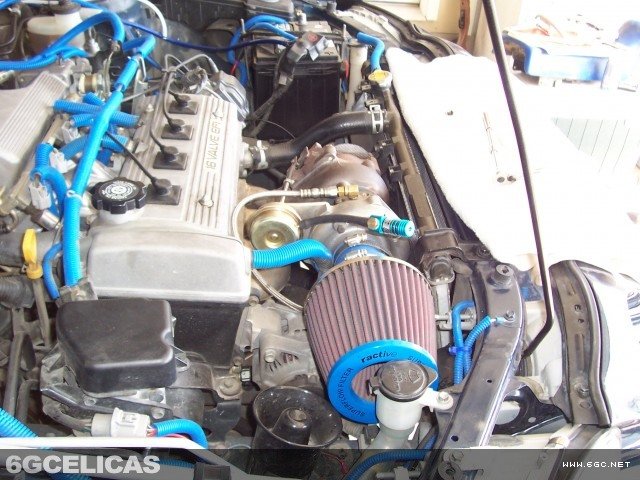
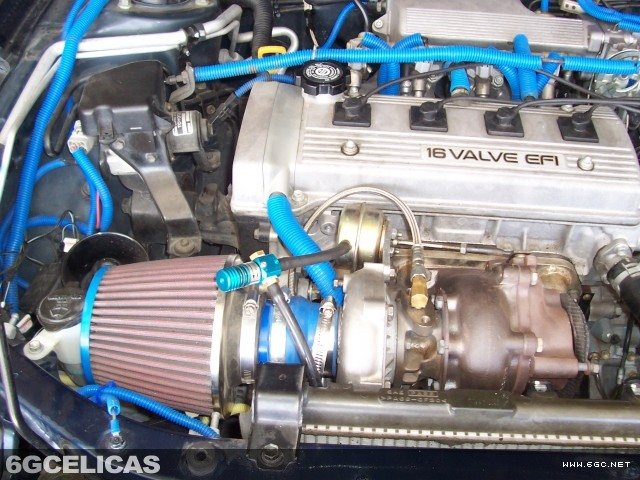
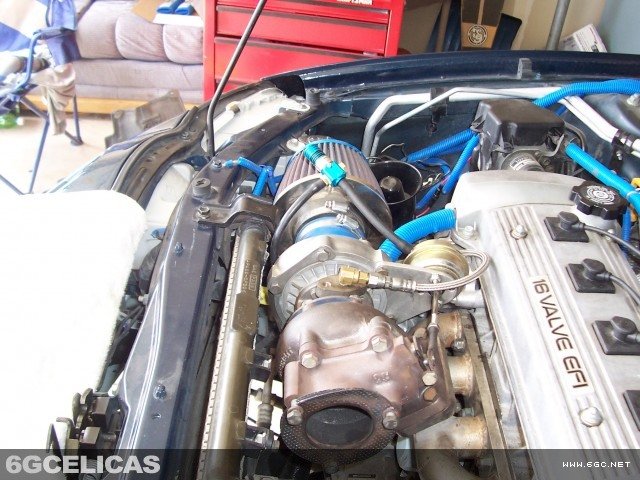
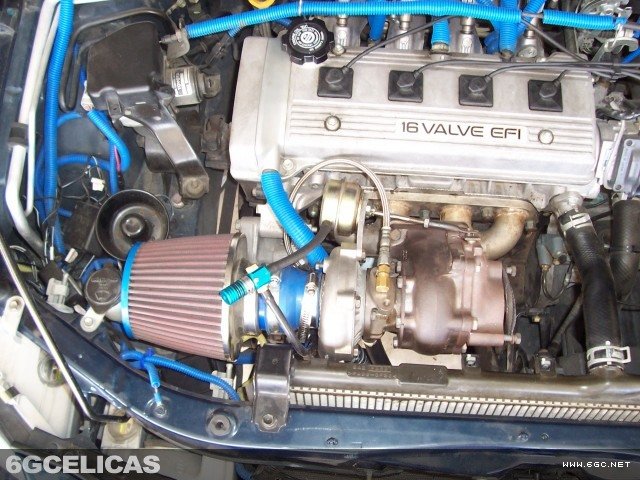
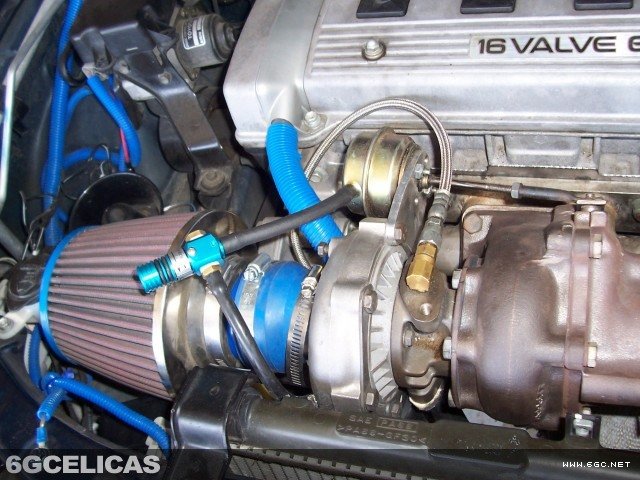
⚠️ Important Safety and Tuning Notes
- Professional tuning is essential for reliability and safety
- Start with low boost levels and gradually increase
- Monitor air/fuel ratios and exhaust gas temperatures
- Upgrade injectors before exceeding 12 psi boost
- Regular oil changes are critical with turbo systems
- Allow proper cool-down time before engine shutdown