
Making a Custom Short Shifter
Author: mywhite94celicagt
Overview
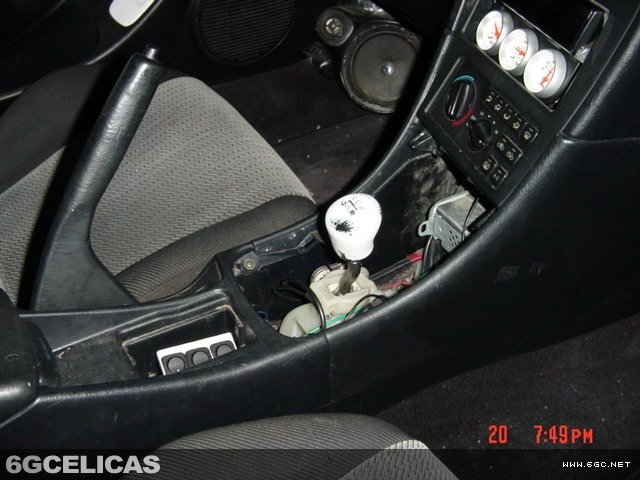
Create a custom short shifter by modifying your stock shifter assembly through precision cutting, welding, and reassembly. This advanced DIY modification reduces shift throw distance significantly while maintaining OEM reliability, requiring metalworking skills and proper fabrication tools.
⚠️ Difficulty Level: Advanced
🕒 Time Required: 3 hours
💰 Cost: $20-50 (materials/consumables)
🔧 Tools: Welder, drill, cutting tools, vice
🕒 Time Required: 3 hours
💰 Cost: $20-50 (materials/consumables)
🔧 Tools: Welder, drill, cutting tools, vice
🚨 Advanced Fabrication Requirements
- Welding expertise required: Structural integrity depends on quality welding
- Airbag system disconnect: Battery negative terminal must be disconnected
- Precision cutting essential: Measurements must be exact for proper operation
- Alternative bonding: Quick steel epoxy acceptable if welding unavailable
- Safety equipment: Eye protection, ventilation, fire safety measures required
Required Tools & Materials
Fabrication Tools
- MIG/TIG welder (preferred) OR Quick steel epoxy
- Bench vice (4" minimum)
- Electric drill with metal bits
- Angle grinder or hacksaw
- Dremel rotary tool with cutting/grinding bits
- Center punch and hammer
Hand Tools & Safety
- Phillips screwdrivers and socket set
- 12mm socket with extension
- Pliers and wire cutters
- Permanent marker
- Safety glasses and welding helmet
- Metal cutting coolant/water
🔧 Modification Strategy
Reduction Method
- Cut shifter assembly into two sections
- Remove ~1" from upper section
- Taper cut end for insertion
- Weld sections back together
Expected Results
- Approximately 20-30% throw reduction
- Improved shift precision
- Maintains stock mounting points
- Custom feel and response
Step 1: Shifter Assembly Removal
Interior component removal:
- Disconnect battery negative terminal (airbag safety)
- Remove shift knob by twisting counter-clockwise
- Remove shift boot trim piece by pulling up on back, then front
- Remove center console: two front screws + two 12mm bolts inside compartment
- Disconnect change holder light wiring harness
- Extract entire center console
Access clearance:
- Remove two screws from black knee panels (difficult access near seats)
- Optional: Cut plastic connector between knee panels for easier access
- Disconnect yellow airbag wire loom from silver control unit
- Remove black clips holding yellow wire with flathead screwdriver
- Move airbag wiring out of work area
Step 2: Shifter Mechanism Extraction
Transmission preparation:
- Place transmission in neutral position (engine off)
- Ensures easier access and shifter removal
Mounting bolt removal:
- Remove four 12mm bolts securing shifter to chassis
- Use socket extension for improved access in tight spaces
- Shifter assembly becomes loose after bolt removal
Linkage cable disconnection:
- Remove two metal pieces holding shift linkage cables (requires significant force)
- Use pliers, pull up while moving side-to-side
- Left clip: Pops off easily, cable slides off
- Center clip: Work both sides while pulling shifter ball from cup (most difficult step)
- Extract complete shifter assembly from vehicle
Step 3: Shifter Disassembly & Initial Cuts
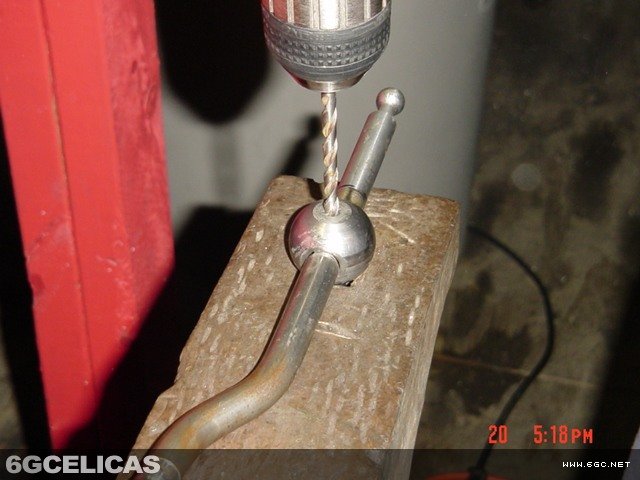
Shifter arm removal:
- Extract metal shifter arm from shifter assembly
- Secure shifter arm in bench vice
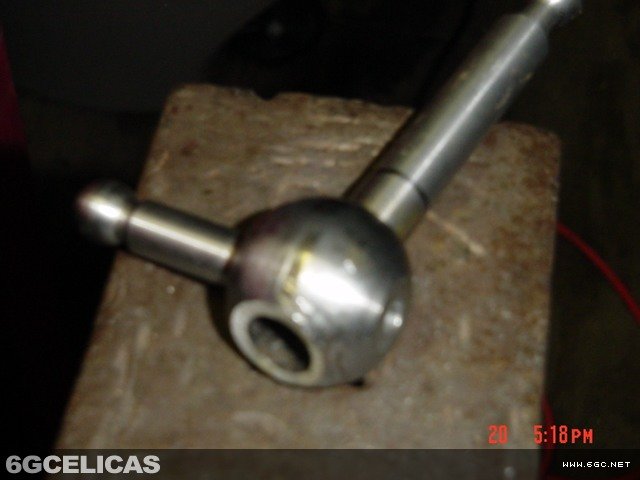
- Drill out pressed-in pin on side of shifter (as shown in photo)
- Use appropriate drill bit size for clean pin removal
Upper section removal:
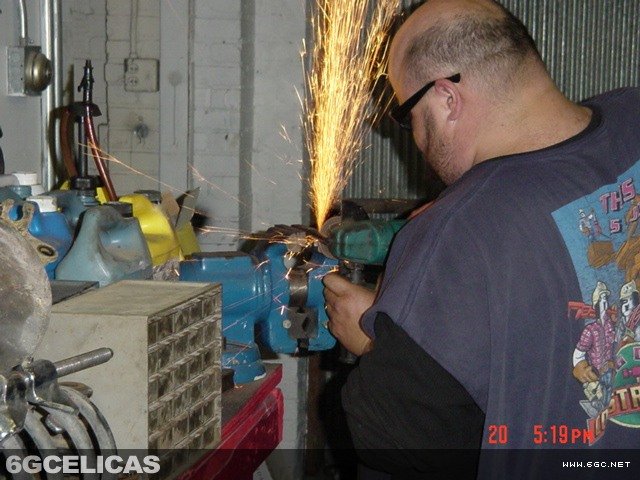
- Cut top portion of shifter off with cutting tool
- Make clean, straight cut through shifter shaft
- Save both pieces - both will be reused
Step 4: Lower Section Modification
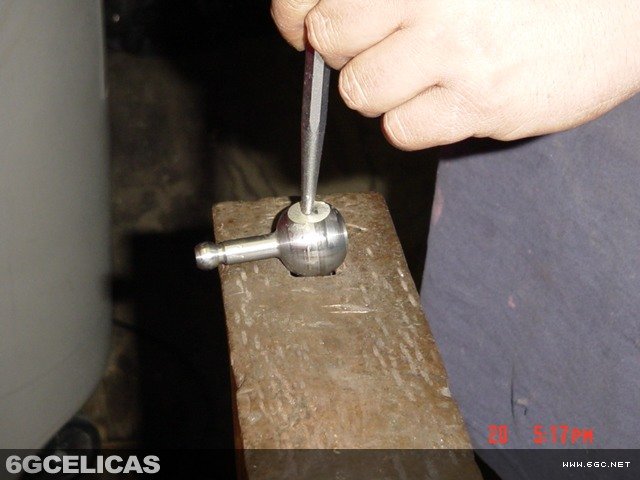
Ball joint repositioning:
- Position bottom section where you can access the ball end
- Mark around bottom of ball with permanent marker
- Use center punch and hammer to tap center of ball
- Push bottom shifter portion downward into ball housing
- Target: Rod end should reach middle of drilled hole
Step 5: Upper Section Preparation
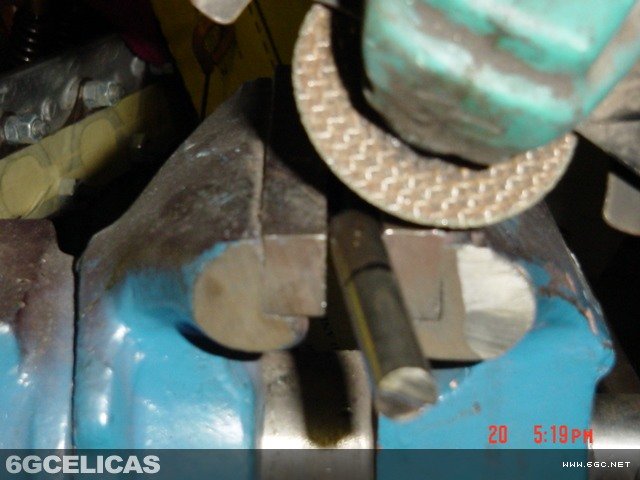
Length reduction:
- Secure top shifter section in vice
- Measure approximately 1" down from the bend
- Mark completely around rod with permanent marker
- Provides cutting guideline for consistent results
Precision cutting:
- Cut along marked line with cutting tool
- Make clean, square cut through marked area
- Allow metal to cool completely before handling
- Use cold water to accelerate cooling if needed
Step 6: Taper Preparation & Test Fit
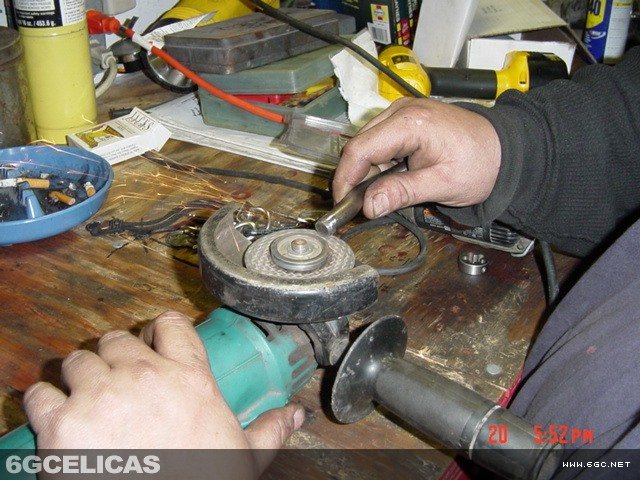
End tapering (critical step):
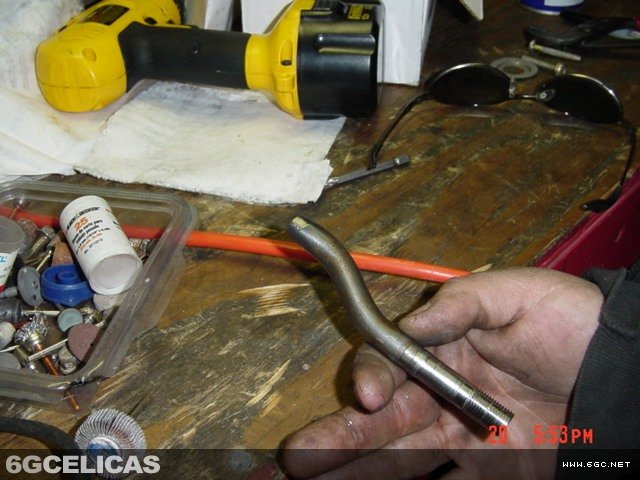
- Taper bottom end of cut section approximately 1/2"
- Create gradual taper for smooth insertion into ball
- Test-fit tapered end into ball housing
- Adjust taper angle as needed for proper fit
Orientation verification:
- Insert tapered end into ball assembly
- Critical: Bend in shifter must go to the right
- Opposite side of vertical rod prevents e-brake interference
- Incorrect orientation will prevent proper shifting
Step 7: Permanent Assembly
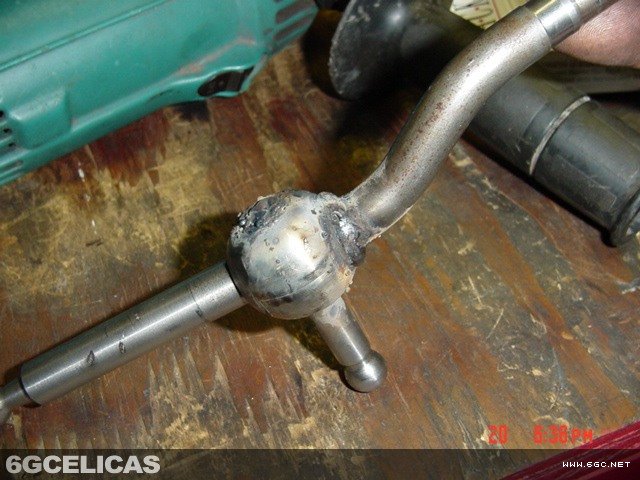
Securing for welding:
- Tap down on top piece to prevent movement during welding
- Ensure perfect alignment before welding begins
- Alternative: Use Quick Steel epoxy if welding unavailable
- Allow complete setup and hardening before use
Welding process:
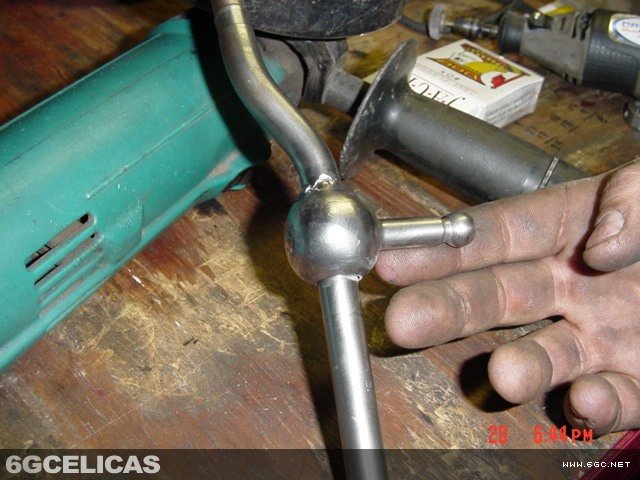
- Weld top piece to ball around entire perimeter edge
- Fill drilled pin hole with weld material
- Welding preferred: Stronger than epoxy alternatives
- Ensure penetration for structural integrity
Step 8: Finishing & Preparation
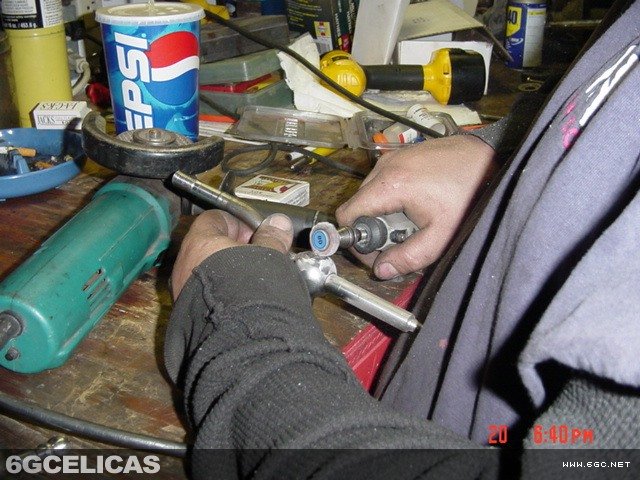
Surface preparation:
- Use Dremel rotary tool to clean up weld areas
- Remove excess material from ball joint surface
- Ensure ball remains perfectly smooth for free operation
- Any roughness will cause binding during shifting
Final inspection:
- Check all weld joints for completeness
- Verify smooth ball joint operation
- Test shifter arm movement through full range
- Confirm no binding or interference
Step 9: Installation & Adjustment
Shifter installation:
- Install modified shifter assembly back into vehicle
- Reconnect shift linkage cables and secure with clips
- Install four 12mm mounting bolts with socket extension
- Reconnect airbag wiring harness
Clearance adjustment:
- Check bottom shift linkage for floor pan contact
- If interference occurs, add washers to back two shifter brace bolts
- Raise shifter assembly slightly to clear floor pan
- Test shift operation in all gears
Final assembly:
- Reinstall knee panels and center console
- Reconnect all wiring harnesses
- Install shift boot trim and shift knob
- Reconnect battery negative terminal
🎯 Custom Performance Results
Shift Enhancement
- 20-30% reduction in throw distance
- Improved shift precision and feel
- Reduced shift effort required
- Custom, race-inspired experience
Fabrication Benefits
- Uses existing stock mounting points
- Cost-effective custom solution
- Maintains OEM reliability
- Personal satisfaction of DIY fabrication
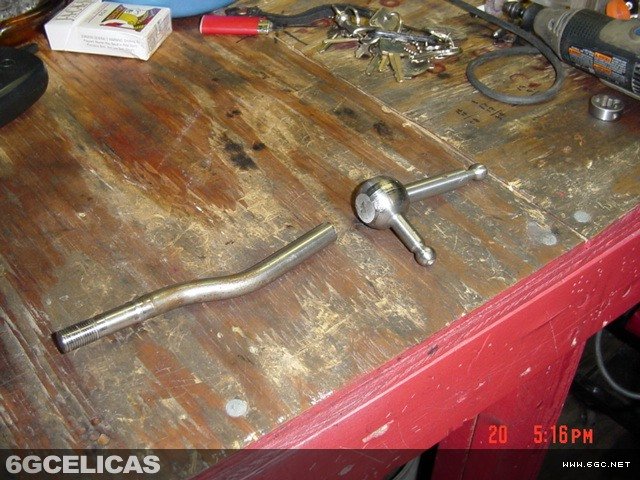
📸 Fabrication Process Gallery
💡 Pro Tips
- Welding quality: Structural integrity depends on proper penetration and technique
- Ball smoothness: Any roughness on ball joint will cause shifting problems
- Bend orientation: Must go to right side or e-brake will interfere with operation
- Measurement precision: Exact cuts and tapers ensure proper fit and operation
- Clearance check: Test all gears before final assembly to identify issues
- Safety first: Disconnect battery when working with airbag systems