
Overview
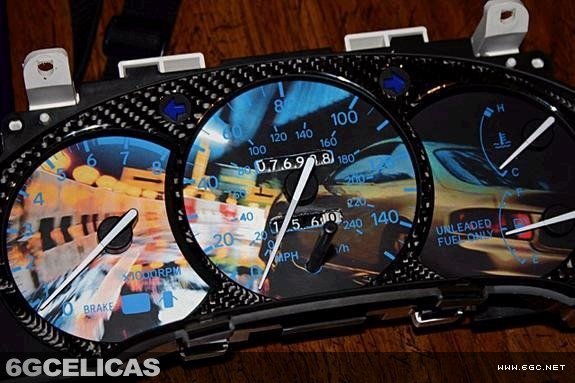
Transform your gauge cluster's green turn signal indicators to any color you desire. This creative modification uses colored plastic materials to customize your blinker indicators, creating a unique interior accent that perfectly matches your personal style.
🕒 Time Required: 40 minutes
💰 Cost: $5-15 (plastic materials)
🔧 Tools: Basic hand tools, cutting tools
Required Tools & Materials
Essential Tools
- Phillips head screwdriver
- Exacto knife or precision cutting tool
- Thin prying tool (or fingernail)
Material Options
- 1/16" thick colored plastic (bottle caps work well)
- 1/16" thick clear plexiglass + translucent paint
- Testor's transparent paints (if using clear plastic)
🎨 Material Selection Guide
Recycled Materials
- Colored bottle caps/lids
- Translucent food containers
- Clear packaging materials
Purchase Materials
- Colored acrylic sheets
- Automotive-grade plastics
- Craft store plexiglass
Key requirement: Material must be translucent enough for light transmission while maintaining color saturation.
Step 1: Gauge Cluster Access
Begin by removing dashboard components to access the gauge cluster (similar to other gauge cluster modifications):
Cover removal:
- Pop off long plastic cover around ignition keyhole and steering column
- Disconnect dimmer knob wiring harness
- Remove four screws from curved plastic piece over gauge cluster
- Two top screws require short Phillips or ratchet with Phillips bit
- Pull out plastic piece once screws are removed
Step 2: Gauge Cluster Removal
Cluster extraction:
- Remove four screws through white plastic piece of gauge cluster
- Cluster becomes loose - reach behind and disconnect three wiring harnesses
- Carefully maneuver gauge cluster out of dash opening
Take photos of harness connections for reassembly reference.
Step 3: Turn Signal Indicator Access
Cluster disassembly:
- Remove clear plastic cover and black plastic lining over gauges
- Components snap in/out after removing two Phillips screws
- Locate the two green turn signal indicator pieces
- Remove indicators by sliding thin object down side and pushing up/out
- Fingernail or Exacto knife works well for removal
These pieces pop out easily once you find the right technique.
Step 4: Custom Indicator Creation
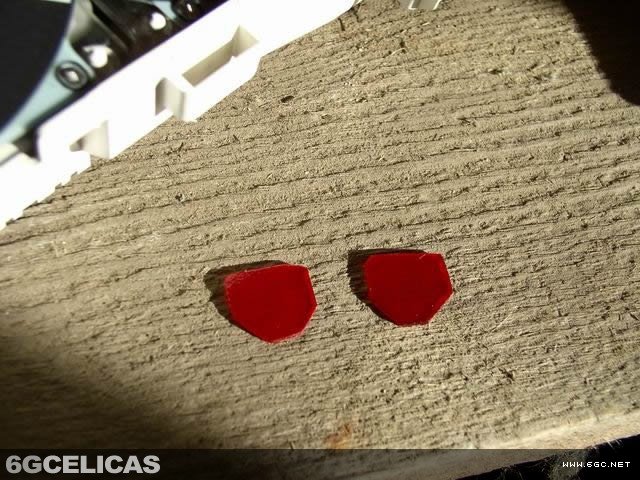
Material preparation:
- Select your colored plastic material (1/16" thickness ideal)
- Use original green pieces as cutting templates
- Trace carefully to match original dimensions
- Cut new indicators as precisely as possible for proper fit
Creative material sources:
- Blue water bottle caps (as shown) for blue indicators
- Red sports drink caps for red indicators
- Any similar translucent plastic in desired color
Step 5: Paint Option (Clear Plastic)
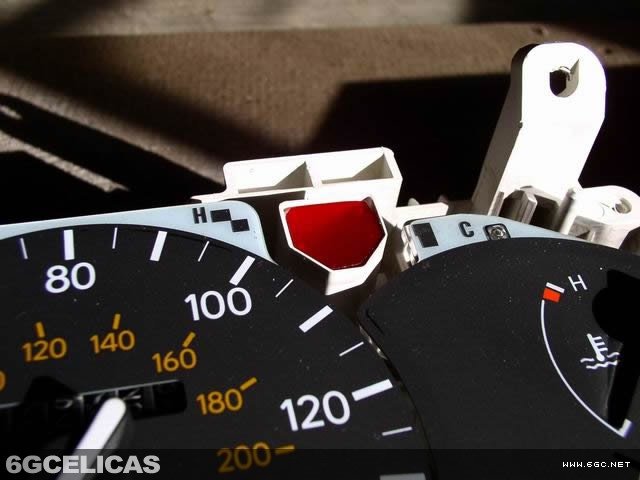
If using clear plexiglass or transparent plastic:
Painting technique:
- Apply 2 light coats of translucent paint
- Testor's transparent candy apple red works excellent
- Allow proper drying time between coats
- Test light transmission before final installation
Paint advantages:
- Precise color control
- Professional appearance
- Wide color selection available
Step 6: Installation and Testing
Installation process:
- Place custom indicators in blinker holes
- Push down with thumb for snug, secure fit
- Verify indicators sit flush and properly aligned
Testing procedure:
- Reassemble gauge cluster temporarily
- Reconnect wiring harnesses
- Test turn signals for proper operation and color
- Verify both left and right indicators function correctly
- Check brightness and color saturation
Final assembly: Once satisfied with results, secure cluster and reinstall dashboard components.
🎯 Custom Results
Visual Enhancement
- Unique interior customization
- Coordinates with other lighting mods
- Professional finished appearance
- Maintains stock functionality
Popular Combinations
- Blue indicators + blue gauge lights
- Red indicators + red climate control
- White indicators for modern look
- Amber for vintage racing theme
💡 Pro Tips
- Precise cutting: Use original pieces as exact templates - fit is critical
- Light transmission: Test material transparency before cutting final pieces
- Thickness matters: 1/16" thickness provides best balance of strength and flexibility
- Stock bulbs work: No need to change bulbs - modification affects filter only
- Reversible mod: Keep original pieces in case you want to revert
- Color coordination: Consider matching other interior lighting modifications