
Overview
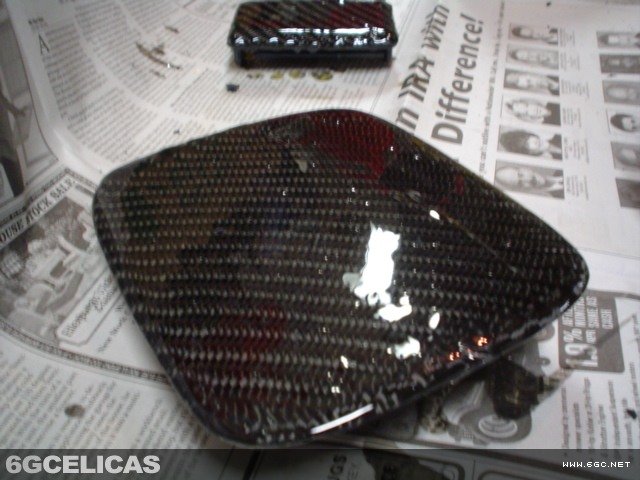
Transform automotive parts with authentic carbon fiber wrapping using real carbon fiber cloth and epoxy resin. This advanced technique creates genuine carbon fiber composite parts with professional appearance and lightweight properties, requiring patience and proper technique for best results.
🕒 Time Required: 1 day - 1 week (drying time)
💰 Cost: $50-150 (materials vary by project size)
🔧 Tools: Epoxy resin, carbon fiber cloth, sandpaper, clear coat
🚨 Chemical Safety Requirements
- Ventilation essential: Work in well-ventilated area - epoxy fumes are toxic
- Protective equipment: Latex gloves mandatory, eye protection recommended
- Skin contact: Avoid direct contact with uncured epoxy - causes irritation
- Temperature sensitive: Optimal curing requires warm, low-humidity environment
- Fire safety: Keep away from heat sources during application
Required Materials & Tools
Carbon Fiber Materials
- Carbon fiber cloth (adequate coverage + excess)
- Epoxy resin (marine grade recommended)
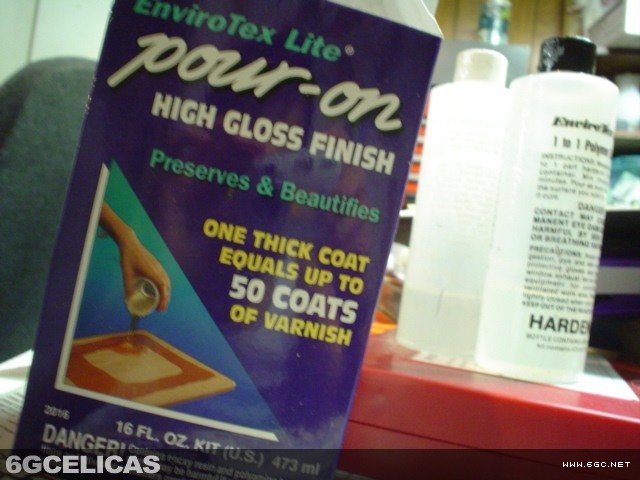
- Polyamine hardener (1:1 ratio with resin)
- UV protectant spray
- Acrylic clear coat
Tools & Safety
- Latex gloves (multiple pairs)
- Cutting tool (fabric scissors)
- Sandpaper (40, 80, 220, 400 grit)
- Wax and grease remover
- Clean rags and brushes
💰 Project Planning & Costs
Material Considerations
- Expensive materials: Plan project carefully
- Cloth shearing: Buy extra material for handling
- Resin mixing: Calculate total coverage needed
- Quality matters: Marine-grade materials preferred
Time Investment
- Initial application: 2-4 hours
- 24-hour cure cycles (multiple rounds)
- Sanding and finishing: 4-6 hours
- Total project span: 3-7 days
Warning: This process can be difficult and expensive. Consider practicing on test pieces first.
Step 1: Part Preparation
Surface decontamination:
- Remove part from vehicle if possible for easier handling
- Clean thoroughly with wax and grease remover
- Alternative: Use rubbing alcohol for degreasing
- Ensure complete removal of all oils, waxes, and contaminants
- Allow surface to dry completely before proceeding
Work environment setup:
- Choose warm, low-humidity environment for optimal curing
- Ensure adequate ventilation for safety
- Lay out all materials and tools
- Put on latex gloves before handling chemicals
Step 2: Resin Mixing & Initial Application
Precise resin preparation:
- Mix epoxy resin with polyamine hardener at 1:1 ratio
- Example: 2 oz resin + 2 oz hardener = 4 oz working mixture
- Stir thoroughly for complete integration
- Work quickly - mixed resin has limited working time
Base coat application:
- Apply mixed resin evenly over entire part surface
- Use brush or spreader for uniform coverage
- Allow resin to sit for approximately 30 minutes
- Resin should become tacky but not fully hardened
Step 3: Carbon Fiber Cloth Preparation
Cloth sizing and cutting:
- Measure part dimensions including all curves and edges
- Cut carbon fiber cloth with generous excess material
- Plan for 2-3 inches extra on all sides for edge wrapping
- Remember: cloth tears easily, so use plenty of excess
Handling considerations:
- Carbon fiber cloth is fragile and shears easily
- Handle carefully to avoid separation of fibers
- Keep cloth clean and free of debris
Step 4: Cloth Application & Initial Shaping
Initial placement technique:
- Carefully position carbon fiber cloth over tacky resin base
- Start from center and work outward to eliminate air bubbles
- Apply additional mixed resin over the cloth surface
- Use generous amount - cloth should feel sticky and workable
Shaping process:
- Begin initial shaping of cloth to part contours
- Work slowly and patiently - bonding takes time
- Expect several hours before cloth begins sticking well
- Continue adjusting and reshaping as resin cures
Step 5: Intermediate Curing & Adjustment
Progressive hardening technique:
- Allow resin to cure for several hours
- Periodically adjust cloth position during early curing
- As resin hardens, shaping becomes easier and more precise
- Avoid over-manipulation once resin becomes too hard
Overnight curing:
- Once satisfied with cloth positioning, allow overnight cure
- Complete hardening requires 24 hours in optimal conditions
- Maintain warm, low-humidity environment
- Protect from dust and debris during curing
Step 6: Surface Preparation & Second Resin Layer
Initial surface refinement:
- Once fully hardened, lightly sand with 220-grit wet sandpaper
- Remove any high spots or rough areas
- Clean surface thoroughly after sanding
- Remove all sanding residue and dust
Second resin application:
- Mix fresh batch of resin and hardener (1:1 ratio)
- Apply second layer over entire carbon fiber surface
- This coat improves surface quality and protection
- Allow 24-hour cure time
Step 7: Progressive Sanding & Surface Refinement
Multi-stage sanding process:
- Stage 1: 40-grit sandpaper to remove large bumps and imperfections
- Stage 2: 80-grit sandpaper for further surface leveling
- Stage 3: 220-grit wet sanding to eliminate coarse scratches
- Stage 4: 400-grit wet sanding for smooth, paint-ready finish
Quality assessment:
- Surface will appear dull after final sanding - this is normal
- Check for uniform smoothness across entire surface
- If unsatisfied, apply additional resin coat and re-sand
- Exercise caution not to sand through to cloth layer
Step 8: UV Protection & Clear Coat Application
UV protection treatment:
- Apply UV protectant spray over prepared surface
- Essential for long-term durability and color stability
- Allow UV protectant to fully cure per manufacturer instructions
Clear coat finishing:
- Apply very light coats of acrylic clear coat
- Multiple thin coats better than single thick coat
- Allow proper flash time between coats
- Final coat should provide smooth, glossy finish
Final curing:
- Allow clear coat to cure completely before handling
- Part is ready for installation once fully cured
- Inspect for uniform gloss and smoothness
🎯 Carbon Fiber Results
Aesthetic Benefits
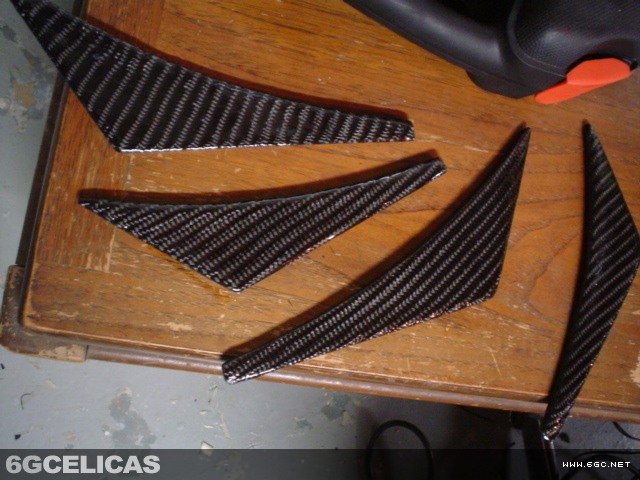
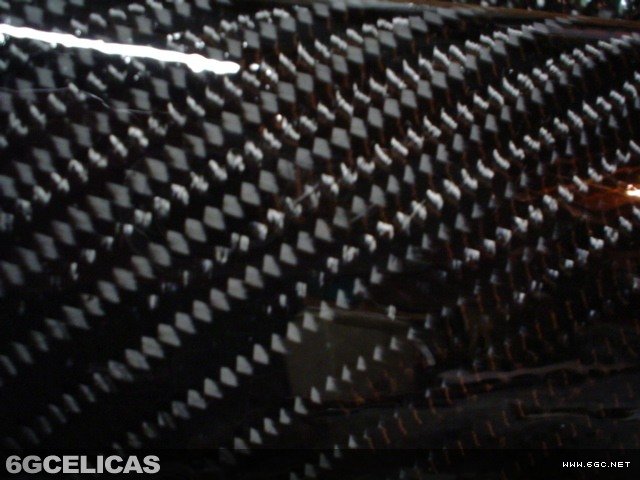
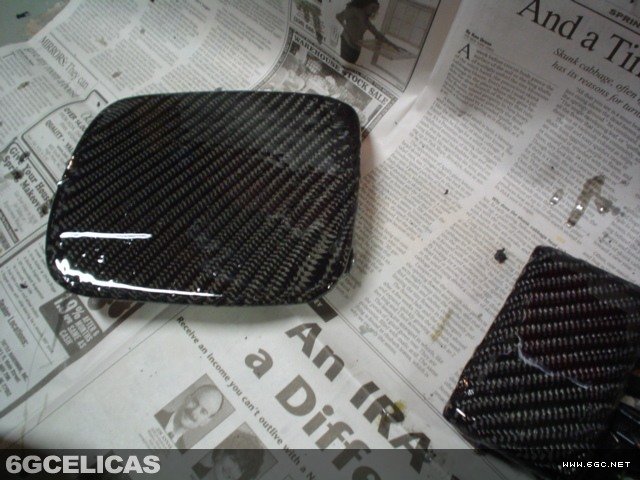
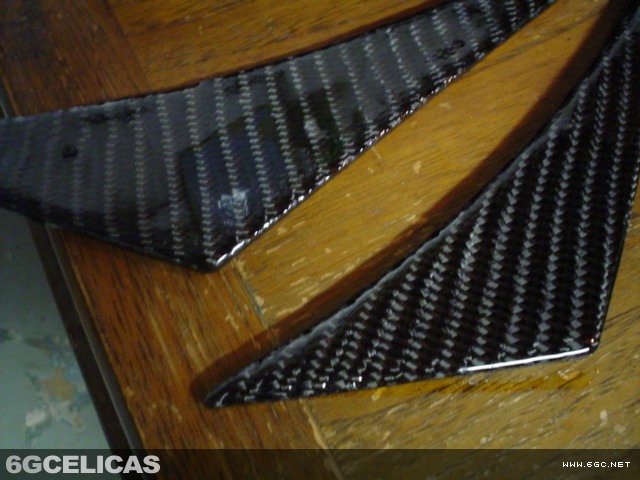
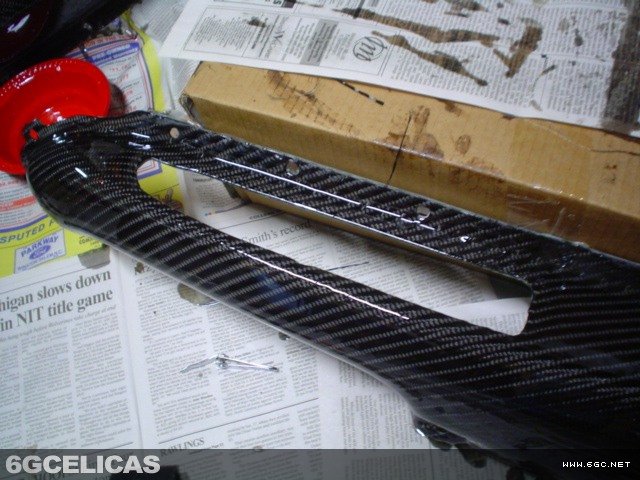
- Authentic carbon fiber weave pattern
- Smooth, glossy professional finish
- Lightweight composite construction
- High-end racing appearance
Performance Advantages
- Significantly lighter than original parts
- Excellent strength-to-weight ratio
- UV resistant with proper finishing
- Durable composite construction
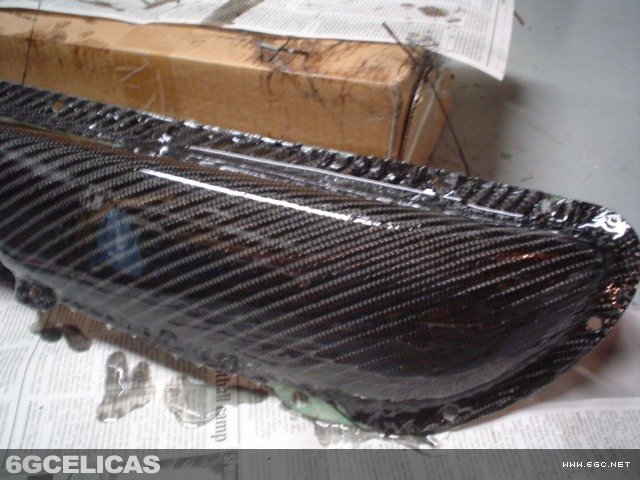
📸 Carbon Fiber Process Gallery
💡 Pro Tips
- Material planning: Buy extra cloth - it tears easily and requires generous coverage
- Environmental control: Warm, low-humidity conditions essential for proper curing
- Safety first: Always wear gloves and work in well-ventilated area
- Patience required: Don't rush curing times - 24-hour cycles are mandatory
- Progressive sanding: Start coarse, finish fine - skip grades and scratches will show
- Practice first: Consider test pieces before working on expensive parts